

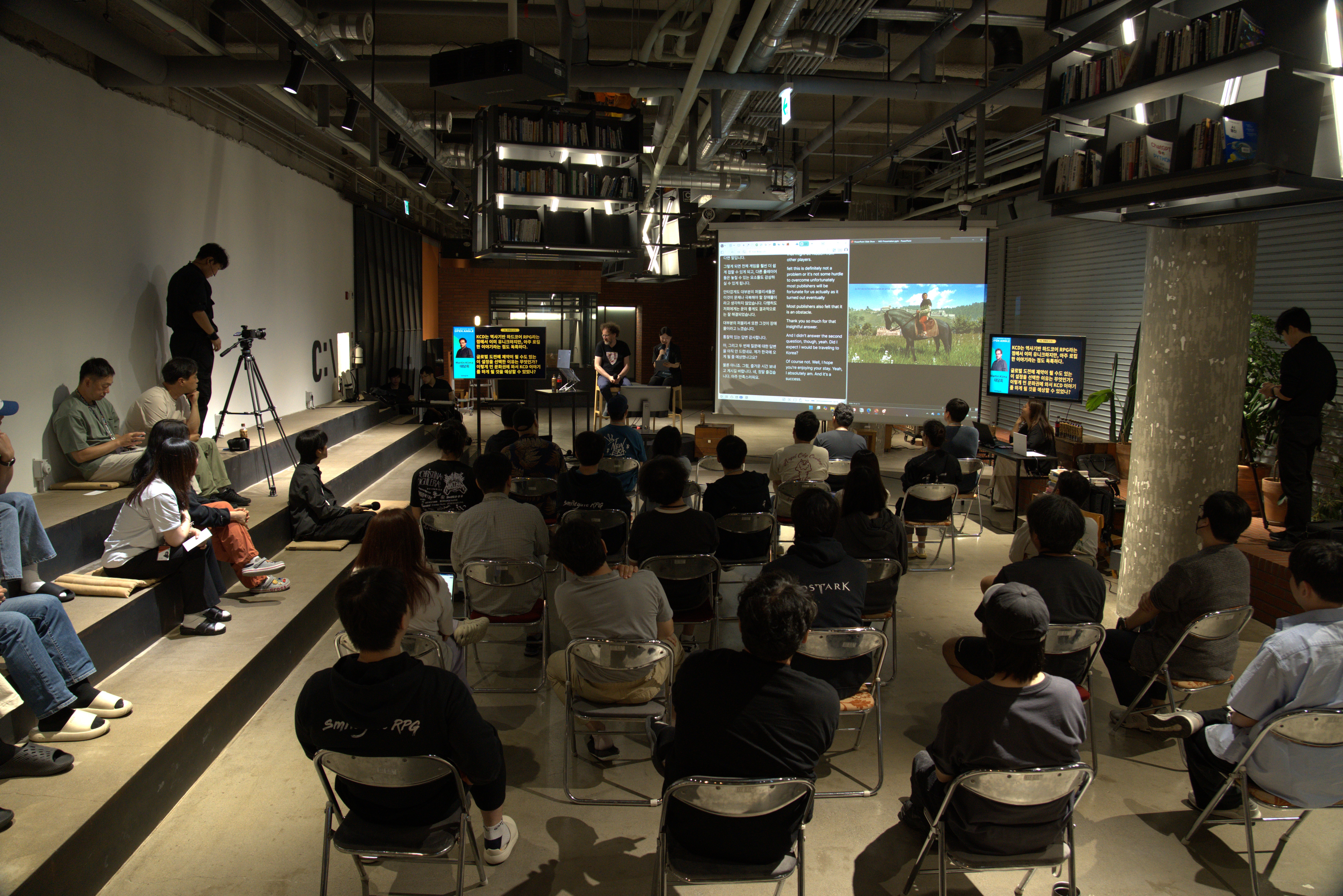
Why has the Czech historical game "Kingdom Come" captured the hearts of players worldwide? 2026-08-28
Executive Producer Martin Klíma answers in person.
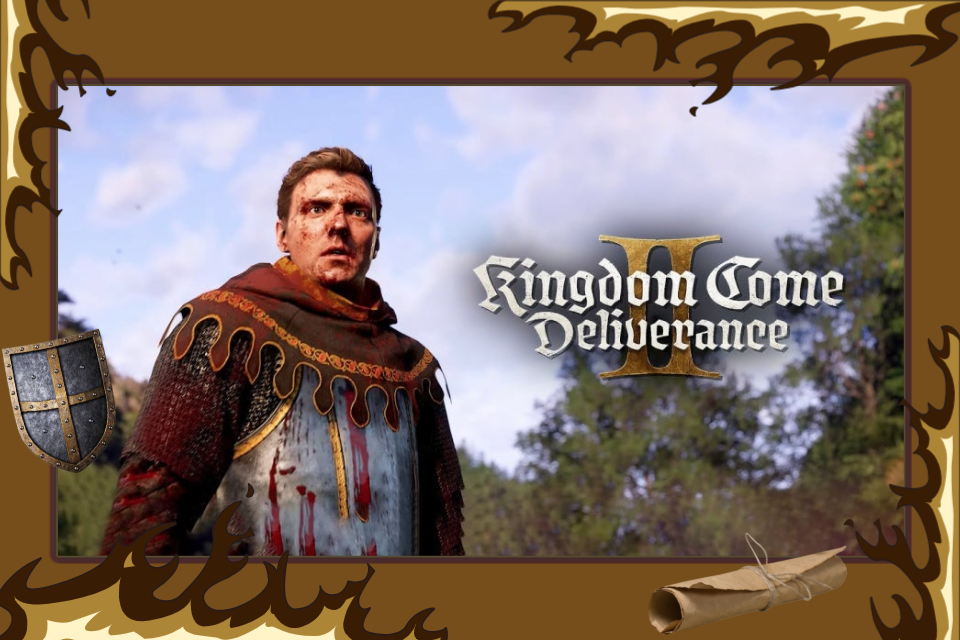
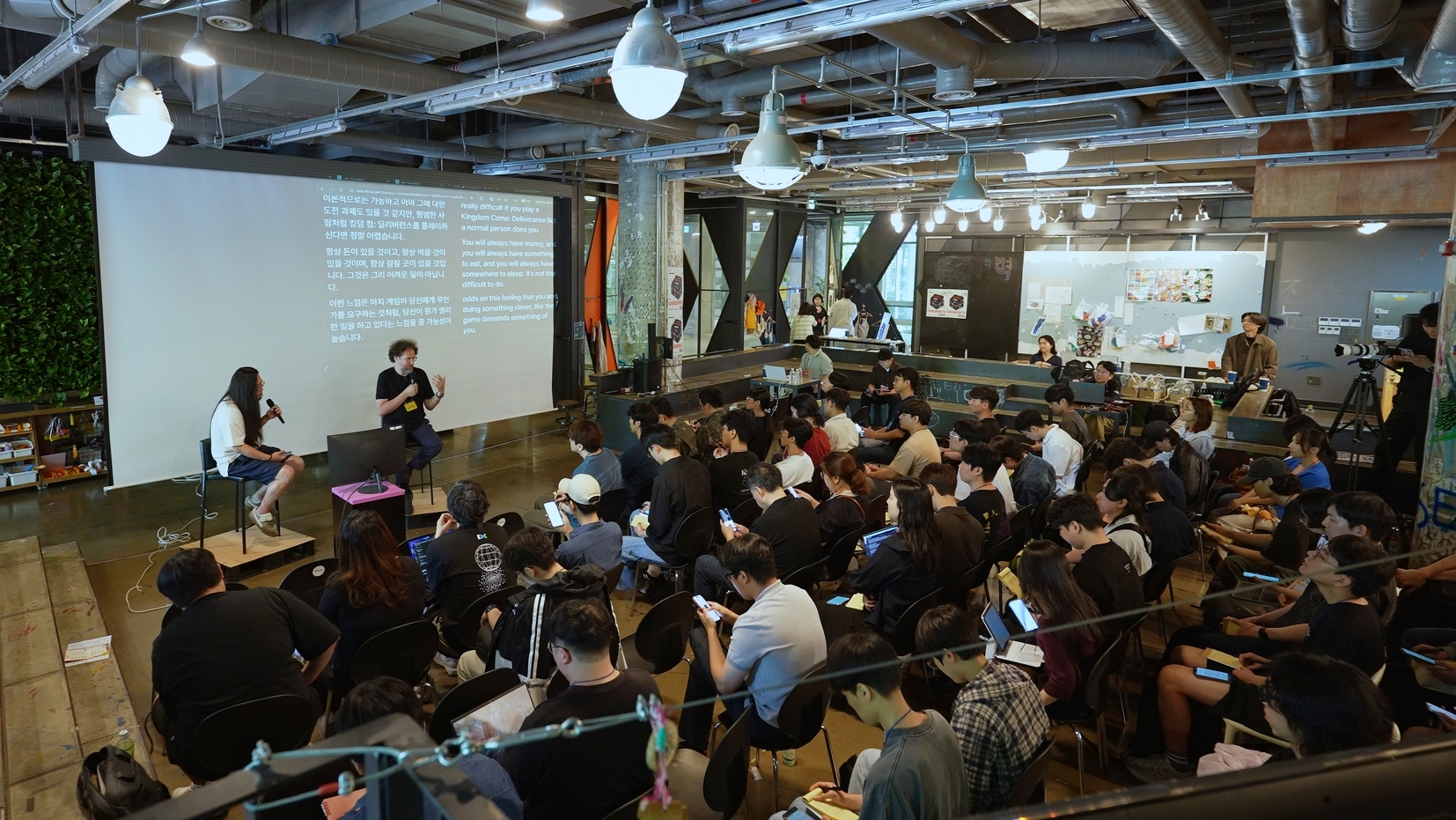
Martin Klíma, co-founder and executive producer of Czech studio Warhorse Studios, developer of the global hit "Kingdom Come: Deliverance" (hereafter "Kingdom Come"), recently visited Smilegate.
He attended as the first guest in Smilegate's new program "Open Angle," designed to broaden employees' perspectives (Angle).
Smilegate Newsroom brings you the story of Martin Klíma, who captivated employees with his insightful views at Open Angle.
* What is "Open Angle"?
: A program run by Smilegate that shares the success experiences and know-how of world-class creators, helping to broaden employees' creative vision and perspective on the global market.
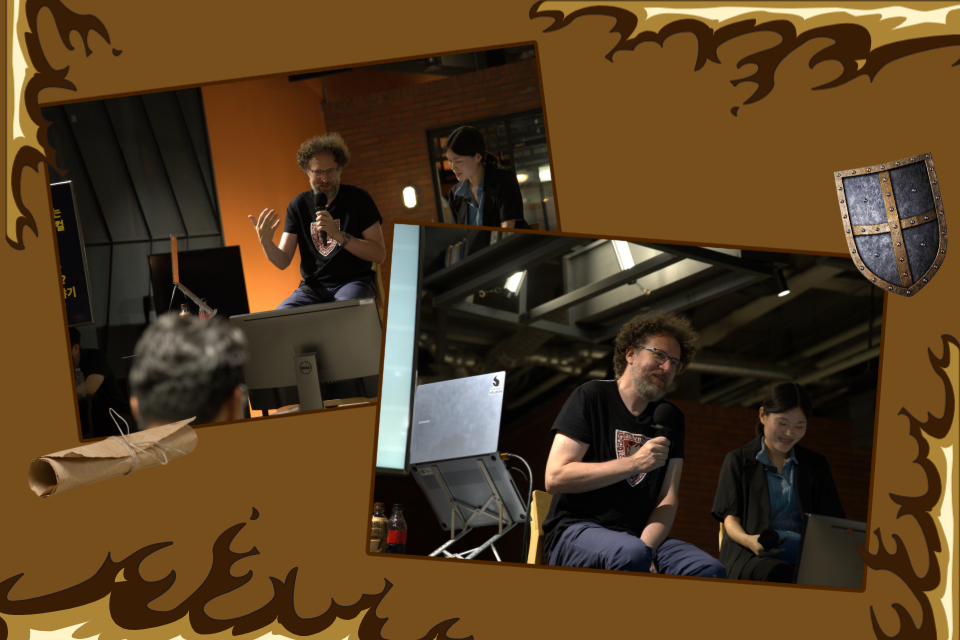
Before the main session began, Martin Klíma opened with a witty and candid self-introduction. He defined the role of executive producer at Warhorse Studios as "managing a project so that it's completed on time and within budget," then drew laughter from employees with the unexpected confession that "I've actually failed at both, repeatedly."
His candid confession, born of the countless trial and error he went through on the road to success with the "Kingdom Come" series, immediately won over employees who had been hoping for practical, real-world know-how rather than grand theory.
Taking the stage, Martin Klíma held the talk across four sessions in total: "Warhorse Studios' Philosophy and Originality," "Balancing Historical Accuracy and Gameplay Fun," "Development Challenges and Studio Operations," and "Development Organization Management and Alignment." The session used a real-time AI simultaneous interpretation solution, allowing Martin Klíma and employees to communicate directly, which led to an in-depth conversation. Here are some of the Q&A highlights worth keeping in mind.
Session 1. Warhorse Studios' Philosophy and Originality
Q. Why did you choose "Czech history," a subject that might feel unfamiliar to global users?
"Back in 2011, games were still trapped in tired fantasy clichés. We wanted a mature, immersive game for adults. Publishers worried that the lack of magic and the local narrative would be a barrier, asking why there was no magic, but I thought differently. Just as we have to learn a new world when we first watch 'Game of Thrones,' for users, Czech history is ultimately just another world they need to learn. If you approach it the right way, a regional narrative is never an obstacle."
Session 2. Balancing Historical Accuracy and Gameplay Fun
Q. What was your standard for deciding between maintaining historical accuracy and adapting things for the sake of gameplay fun?
"What we truly wanted was a level of 'immersion' far beyond mere realism itself. The survival elements in the game, or the system for washing clothes, aren't there to inconvenience the user — they're devices meant to make players feel like they're living in a world that moves and exists independently of them. If, just like in real life, getting hit by a single arrow left you incapacitated for weeks, it would actually break immersion by reminding the player that it's just a game. Our standard was to hold the line that preserves the user's fantasy and immersion."
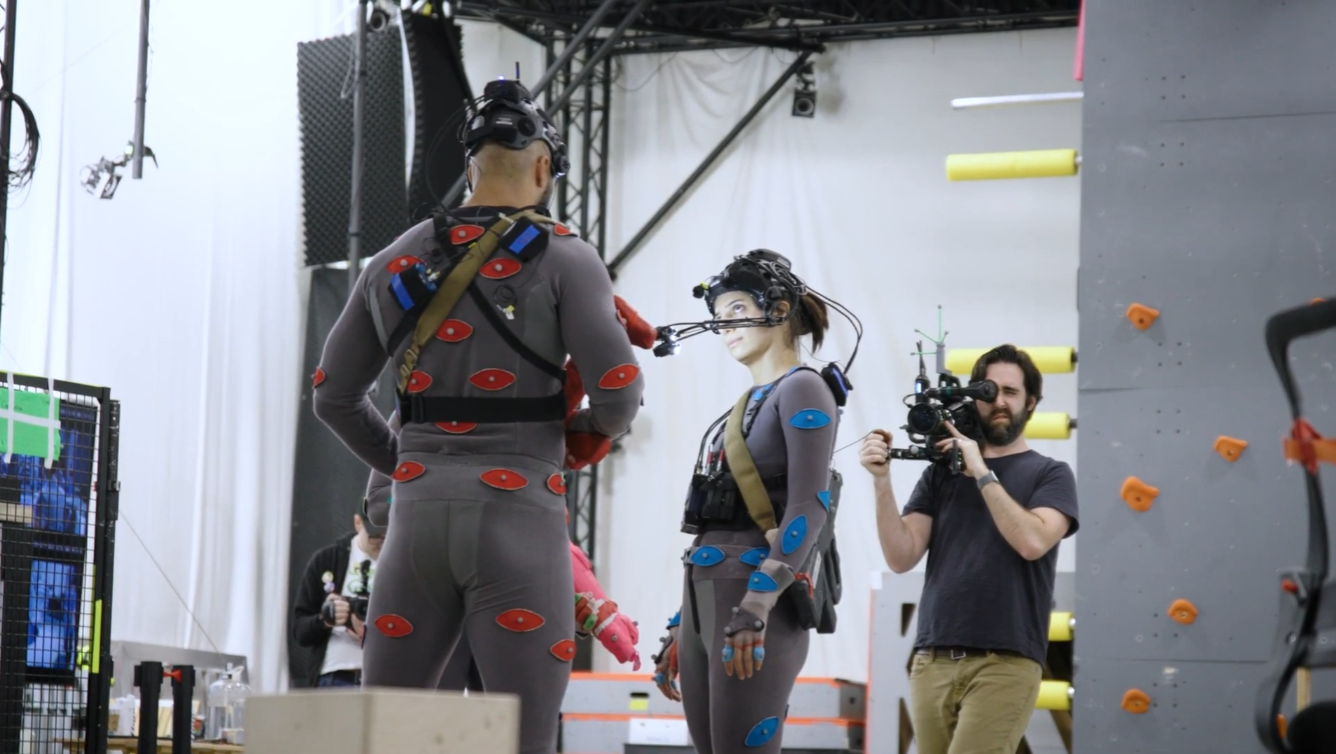
Session 3. Development Challenges and Studio Operations
Q. I'm curious about your know-how for adjusting priorities when creative vision clashes with real-world constraints like schedule or budget.
"We do sometimes mechanically rank items by estimating the value and cost of everything in the backlog, but in reality there are many exceptions. For instance, we once designed a system where the clothes a character could wear changed depending on the character's weight, but we realized it didn't make sense and cut it early. Identifying, early in development, which elements need to be cut is the most important know-how for preventing the worst kinds of failure."
Session 4. Development Organization Management and Alignment
Q. As a studio grows in size, how do you get employees to share a single vision for the game?
"There's no cure-all solution. That said, we require every developer to check for themselves, by playing the game, how their own work is reflected in the final product. We also hold a 'lead standup' meeting every Monday, and we even had departments that historically had fewer chances to present, like QA or the sound team, share their development status using an Excel random-number draw. Through this process, we made sure
Passionate engagement that made everyone lose track of time, plus an unexpected gift
The originally scheduled one-hour session came to an end, but the employees' enthusiasm for asking questions showed no sign of cooling. Seeing that not even half of the prepared pre-submitted questions had been covered, Martin Klíma happily made time for an impromptu, open-ended Q&A, saying, "The questions Smilegate's developers are asking are so sharp and serious that it's hard for me to leave before I've finished answering all of them."
After the session wrapped up, there was a special surprise event. Martin Klíma ran a quiz he had personally prepared back in the Czech Republic. It asked employees to guess the number of items in Warhorse Studios' game asset backlog, and the employee who got the answer right was given a limited-edition "Kingdom Come: Deliverance" pin as a prize. Employees who took part in this unexpected fan service were deeply moved.

However, when quoting content in articles, please credit it as “Smilegate Newsroom.”





 TOP
TOP
