

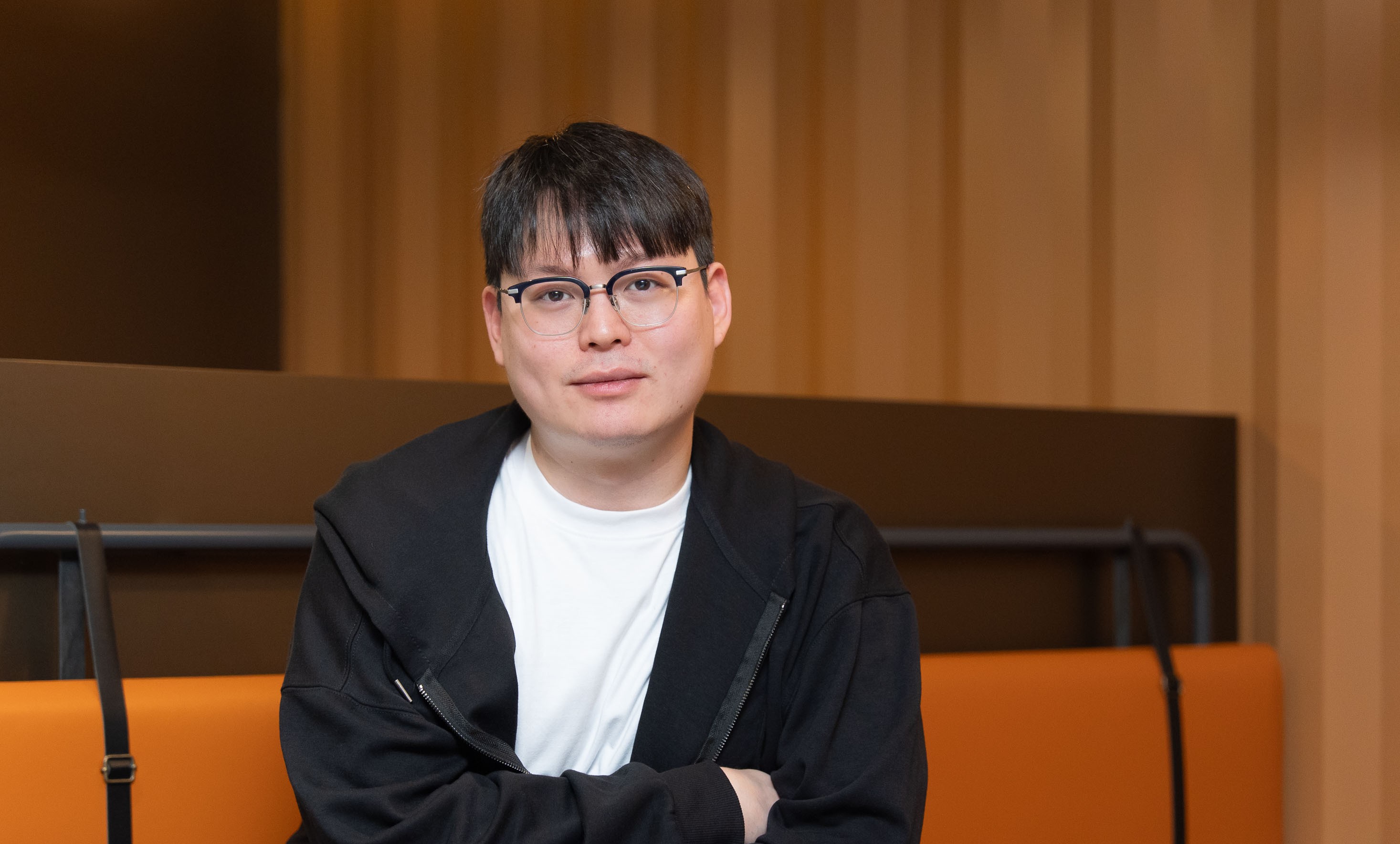
[Different Nationalities, One Passion] "Delivering the full charm of the original" — SGP Ishii Chanhi 2026-08-20
Smilegate is home to members from diverse nationalities and cultural backgrounds. Respecting each other's different experiences and perspectives, freely exchanging opinions, and creating synergy based on each person's expertise—this is the "Borderless" organizational culture that Smilegate pursues.
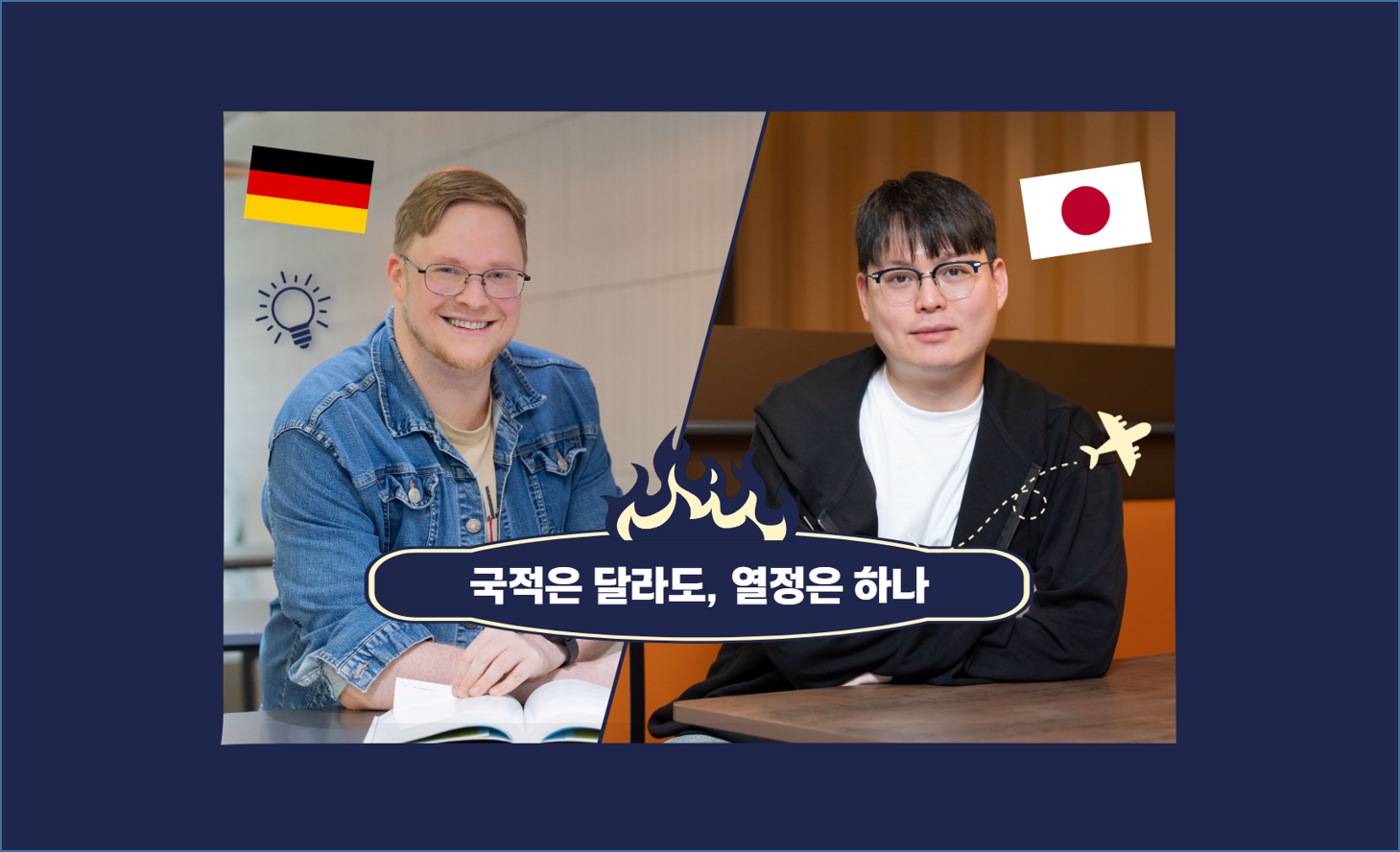
The first installment introduced the story of Floss Daniel from the SGP Content Marketing Team, who connects global game creators and users. In this second installment, we meet Ishii Souki from the SGP Localization Team, who leverages his strength of understanding both Korean and Japanese language and culture to convey the game's genuine fun and emotional appeal to Japanese users.
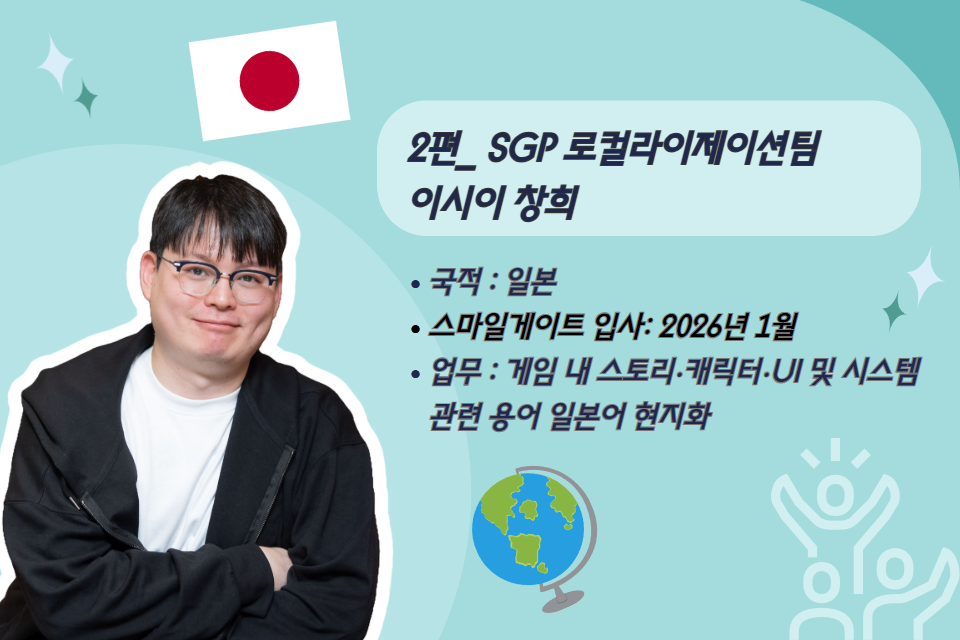
Q. Could you introduce yourself, focusing on your role?
Hello, I'm Ishii Chanhi, and I handle Japanese localization work at the SGP Localization Team. I joined the company this past January and am currently in charge of Japanese localization for "Chaos Zero Nightmare" and the upcoming "Dead Account: Two Blue Flames." My role is to enhance the quality of the games so that Japanese users can immerse themselves without feeling any sense of awkwardness. I attended elementary, middle, and high school in Korea, so I have a deep understanding of both Japanese and Korean language and culture.
Q. Could you tell us more specifically about the localization work your team does?
The Localization Team's work is characterized by refining content according to cultural context so that local users can naturally feel the fun and emotional resonance of the game. This is different from translation, which aims to accurately convert words. The key is to consider expressions that preserve the intent of the original while being naturally accepted locally, so that users become immersed.
Q. What made you want to work at Smilegate's SGP Localization Team?
I love subculture games and was an avid gamer who played "Epic Seven" for more than 15,000 hours. As a player, I was well aware of the awkwardness I felt from translations, and I thought I could put that experience to good use in localization work. I found it an attractive job because it meant I could directly improve upon the shortcomings I had felt as a user, so I applied.
Q. What impressed you most after joining the SGP Localization Team?
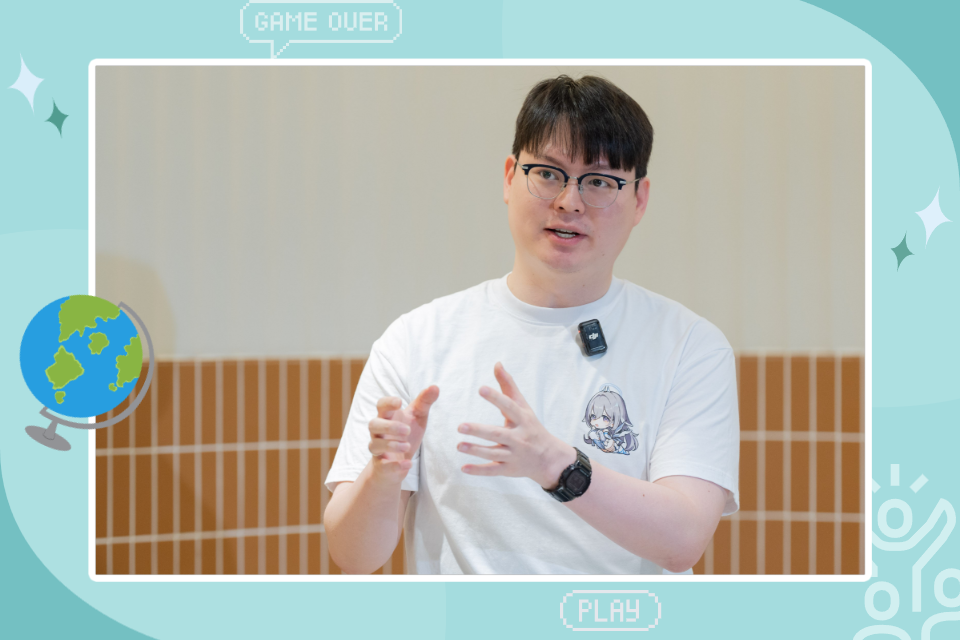
I was impressed by the culture where colleagues of various nationalities communicate while respecting each other's expertise. Thanks to my team lead and the LPM (Localization Project Manager) carefully explaining the diverse cultural backgrounds of team members to me, I barely felt any barriers of language or nationality. New members can also comfortably suggest their opinions and take an active role in projects, which let me deeply experience Smilegate's "Borderless" way of working.
Q. Do you have an actual example where you proposed an idea and carried out a project?
Yes, of course. Previously, the person in charge had to check issues directly, which took a lot of time. I suggested improving this, and we introduced an AI-based automated notification system linking Jira and Slack. When an issue arises, AI immediately sends an alert, reducing the chance of things being missed and allowing issues to be managed more systematically. This is a clear example of our company's flexible organizational culture, where members can freely share the inconveniences they feel in their work or ideas for improvement, and good ideas are quickly reflected in the work.
Q. What are the differences between Japanese and Korean workplace cultures, and did you have any difficulty adjusting because of them?
I think the biggest difference is how the two cultures draw the line between work and personal life. In Korea, colleagues share deep bonds of affection, so people take a lot of interest in each other's personal lives and naturally talk about things like lunch or everyday matters. In Japan, on the other hand, there's less interest in personal life, and people strictly maintain individual boundaries—spending lunchtime alone or keeping professional relationships clean and separate is common. I don't think one way is better than the other; it's just a difference in how people show respect for one another.
The difference between Korean and Japanese workplace culture hasn't been difficult for me. If anything, I feel Korea suits me better (laughs). I have an introverted personality, but I really like people. So in Japan's more individualistic workplace culture, I sometimes felt lonely, whereas in Korea, I've been living a satisfying life, building good relationships and bonding with colleagues at the company. For me, it felt like finding clothes that finally fit well.
Q. Comparing the workplace culture differences between Korea and Japan, what do you see as Smilegate's unique strength?
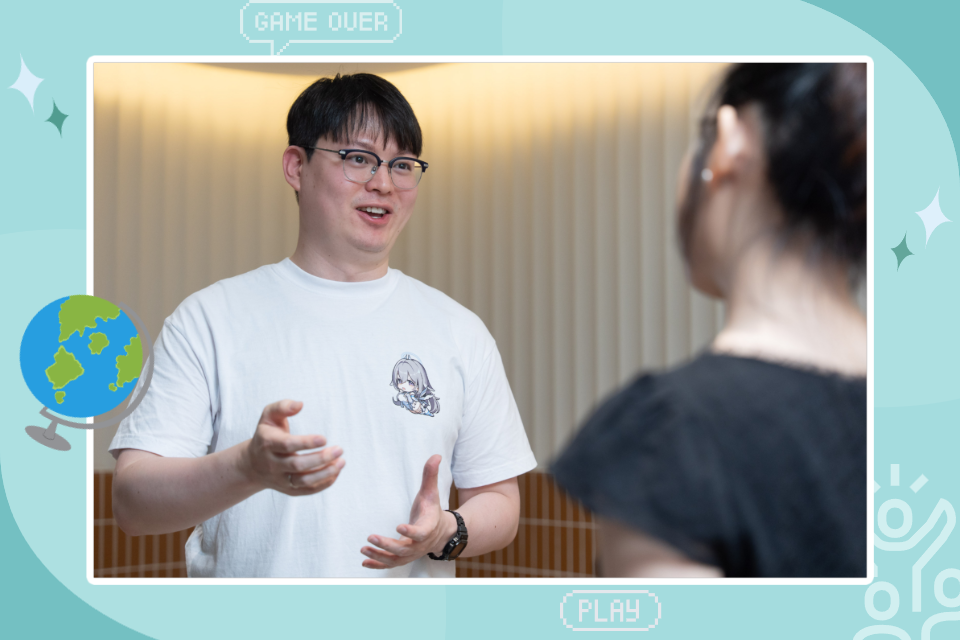
I think it's a place where diverse members come together and happily geek out over shared interests. Whether it's anime, games, or other hobbies, there's an environment where people can fully enjoy what they love, build camaraderie through it, and then use that camaraderie to enjoy their work together. That's why I think people can enjoy coming to work here.
On a personal note, I recently joined a sea fishing club. I'm planning to go out in October to fish for webfoot octopus and cuttlefish, which was actually one of the items on my bucket list (laughs). I think being able to have experiences like this while doing what I love is thanks to the company's active support.
Q. Korea must have felt very unfamiliar when you first arrived. Was there anything that surprised you?
I first came to Korea when I was in elementary school. At the time, I was struck by the angular, round-shaped characters written on shop signs. That was the first time I felt the excitement and thrill of encountering a new writing system. As a child, I came to think of Korea as "a country of shapes."
Thanks to the positive feelings I had back then, I grew attached to the Korean language and was able to learn it relatively easily. I think that excitement from back then became the driving force that allowed me to become fluent in both Korean and Japanese, which has led me to the work I do now.
Q. Do you have a message for "future members" who hope to join Smilegate?
Smilegate has a culture that emphasizes diversity and inclusion, and I experience this firsthand every day on the Localization Team. Within the company's flexible organizational culture, members of various nationalities can create work synergy by leveraging their own expertise. It's an environment where you can naturally get along with colleagues while also being able to fully focus on your own work. I think it's truly a great workplace for people who like being around others and want to grow by improving work efficiency through relationships with those people (laughs).
Q. What kind of member do you hope to grow into at Smilegate going forward?
I want to continuously improve the quality of our work so that global users can enjoy games without language barriers. In particular, I want to raise the quality of localization so that Smilegate's subculture games, including "Chaos Zero Nightmare," can be loved by many in the Japanese market as well. Beyond Japan, I want to grow into someone who understands the perspectives of users from various nationalities, improving the overall quality of projects. My goal is to serve as a bridge connecting different cultures and languages, helping global users naturally immerse themselves in games.
However, when quoting content in articles, please credit it as “Smilegate Newsroom.”






 TOP
TOP
