


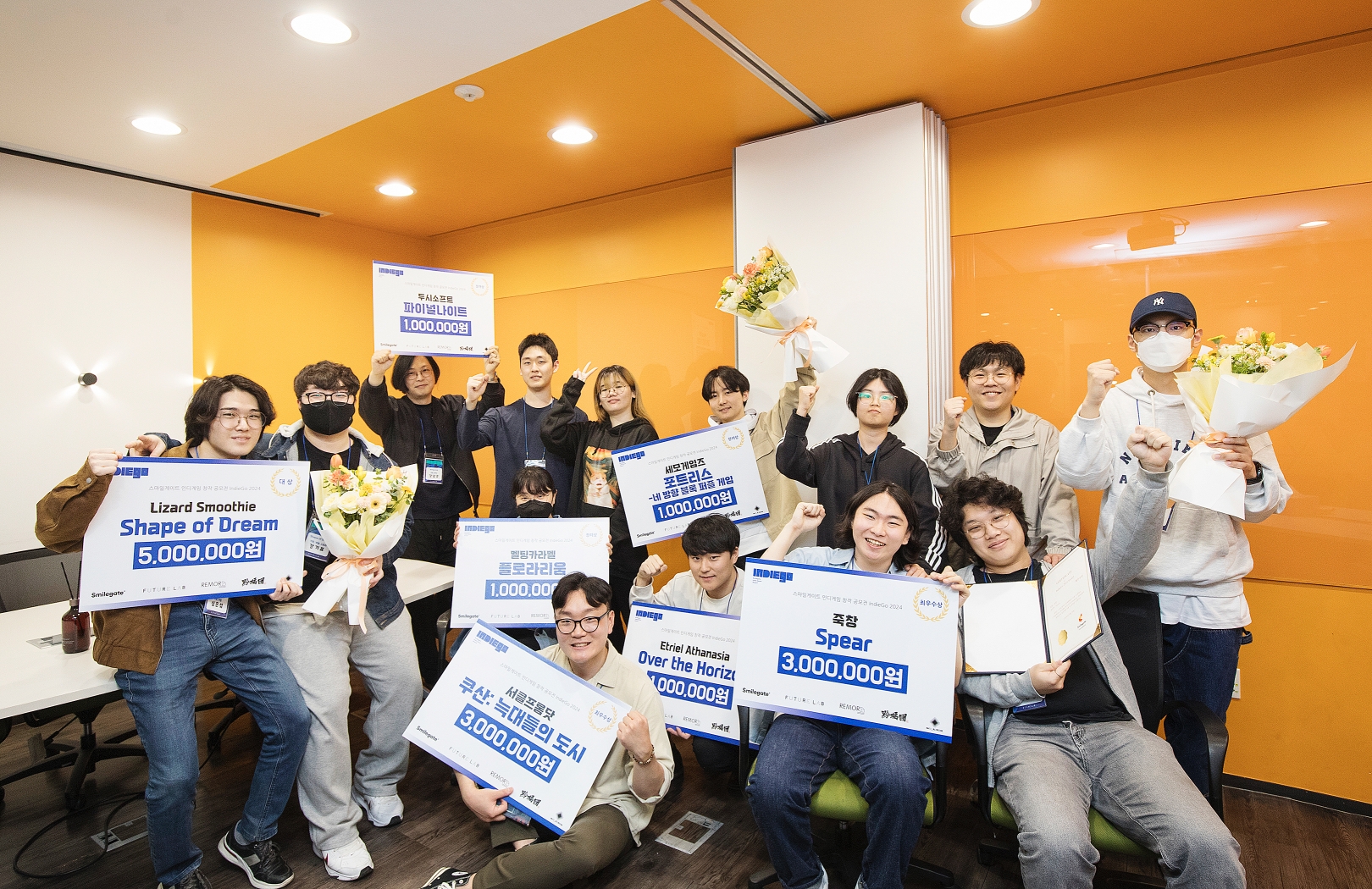
Interview with Lizard Smoothie, the Grand Prize Winner of Indiego 2024-04-19
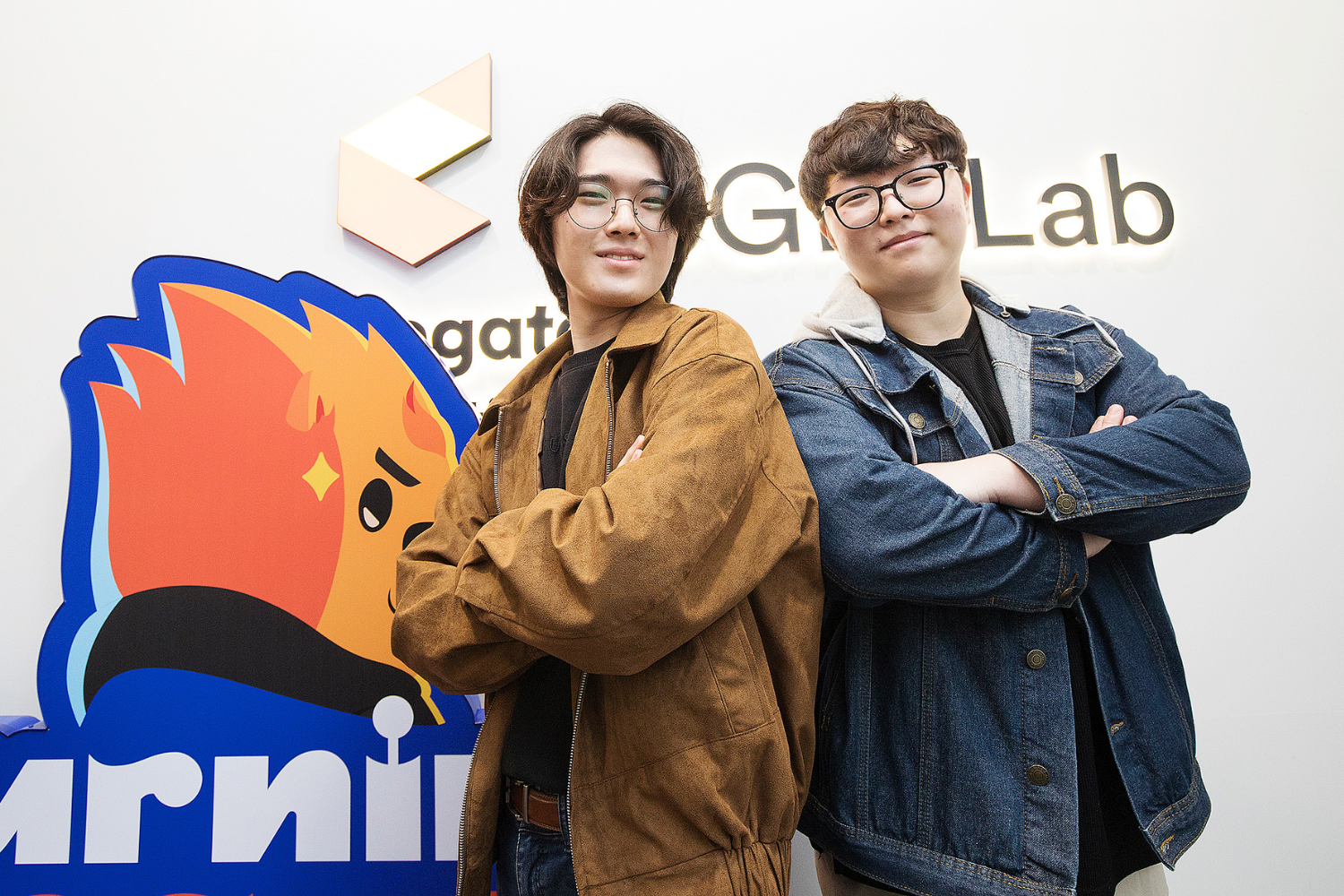
"'Shape of Dream' is a game that maximizes the genre appeal of roguelike gameplay."
Q1. Hello, this is the Smilegate Newsroom team. Please introduce your team.
Nice to meet you. We are Lizard Smoothie, the team behind 'Shape of Dream'. We formed the team with just two people last year, determined to create a game that highlights the fun of the roguelike genre.
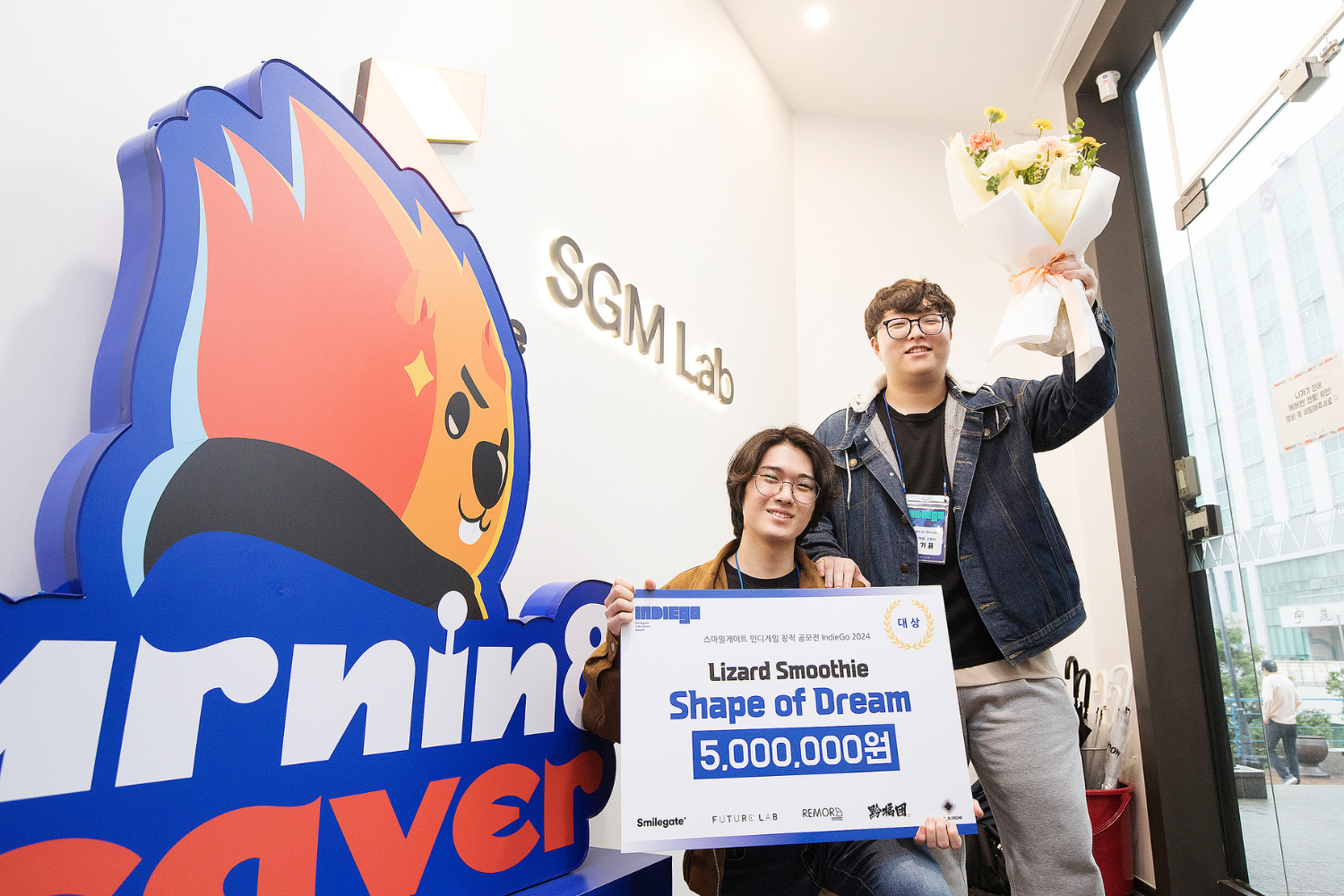
Q2. Congratulations on winning the grand prize at Indiego 2024. Please share your thoughts.
Sim Eunseop: I would like to thank everyone involved with Indiego 2024. Though our game still has many shortcomings, I think they saw the potential in us. We’ll do our best to create a game that both users and developers can enjoy.
Kang Kipyo: I’m happy to have won the grand prize. I understand that Indiego 2024 is a platform for indie creators to support and grow with each other. We hope to contribute to that creative community as well. We'll continue doing our best.
Q3. Your team name is quite unique. What does it mean?
Sim Eunseop: I like lizards (laughs). They look kind of dopey and cute. When naming the team, I wanted something unique enough to be searchable internationally. I thought it would be funny to imagine a lizard drinking a smoothie, so I combined the two. When I searched for 'Lizard Smoothie', we were the first to use it. It took us about 15 minutes to come up with the name.
Q4. What kind of game is 'Shape of Dream'? Please tell us more about it.
Sim Eunseop: 'Shape of Dream' is a cooperative action roguelike based on a MOBA (Multiplayer Online Battle Arena) system like League of Legends. The story begins with the first being to ever dream—Primus Aaron—who enters his dream to explore it. As the boundary between dream and reality collapses, others enter the dream world, leading to various events.
Kang Kipyo : The key items in 'Shape of Dream' are 'Memories' and 'Essences'. Memories are skills that can be freely obtained and swapped in-game. Essences are special gems with unique effects that can interact to create synergies. Players can craft their preferred skillsets and build characters accordingly. The gameplay is somewhat similar to Risk of Rain 2.
Q5. You must have faced challenges during the indie game development process. How did you overcome them?
Kang Kipyo : The biggest challenge was the lack of manpower. With just the two of us handling planning, development, storytelling, art, and everything else, we were always short on hands. So, we focused on optimizing the development process. For repetitive tasks, we created editor tools and development utilities to work more efficiently.
Sim Eunseop : Another major struggle was the lack of confidence. We constantly questioned whether 'Shape of Dream' was fun and whether the concept was solid. Toward the end of last year, I even hit a slump and spent time lost without clear direction. It was upsetting, but I had to pull myself together. We supported each other and worked to get through the slump. Most importantly, we needed confidence in the game’s fun factor. To validate that, we kept asking friends and acquaintances to play the game—honestly, we probably annoyed them (laughs). During that process, we gathered feedback and tracked KPIs to identify what made the game strong and what needed improvement. Gradually, I overcame the slump and learned a lot. I'm very thankful to those who supported us.
Q6. It seems like you've played many indie games. Could you share any that had a significant impact on you?
Sim Eunseop: I’ve enjoyed playing 'Faster Than Light' (FTL) since high school. The combat system in that game was especially appealing. I was such a fan that I even listened to the FTL soundtrack while studying for my college entrance exams. Recently, a new mod called “Multiverse” was released, adding a lot of new content. After installing it, the story became so much richer. I think I stayed up every night for nearly two months playing it (laughs). That’s when I realized, “This is how games should be made.” The map generation and exploration elements in 'Shape of Dream' were directly inspired by FTL.
Kang Kipyo: The indie game that had the biggest impact on me was 'Risk of Rain 2' (RoR 2). It's a 3D third-person cooperative roguelike game where you combine items to create synergies, build power, and reach the ending. A friend recommended it to me, and I quickly became fascinated by the genre through playing it. I went on to play many other roguelike games. Roguelikes can be tough because of the genre’s “permadeath” nature, but when you add co-op play, it becomes much more accessible. When designing 'Shape of Dream', we adopted the co-op play system from RoR 2 to enhance the game’s enjoyment.
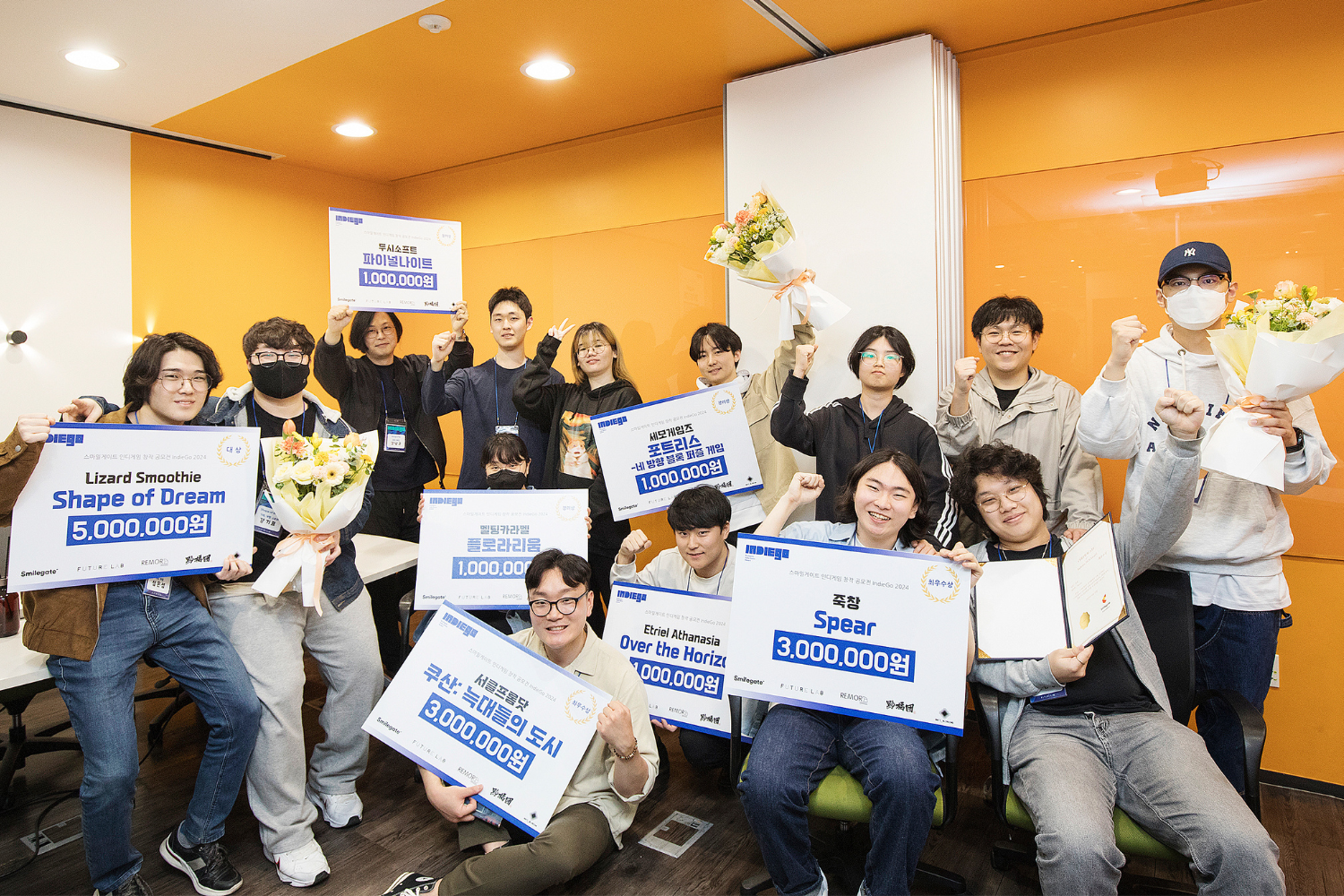
Q7. From an indie developer's perspective, what value do you think the Future Lab 'Indiego Contest' provides?
Sim Eunseop : The contest is appealing because it facilitates exchange among creators who share similar dreams. Receiving and giving feedback with other developers helps us look at our game more objectively and broadens our perspective on game development. In that sense, the Indiego Contest offers a truly valuable experience for indie developers.
Kang Kipyo : It’s valuable because it provides a rare opportunity for indie developers to network. Honestly, we don’t get many chances to meet and talk with other devs. Thanks to this contest, we were able to connect with others. I hope that, like the Indiego Contest, more events will continue to be held where developers can actively meet. I also hope that many creators who pursue the dream of indie development had a meaningful experience through Indiego.
Q8. For the indie game market to grow and the industry to develop, it's important that high-quality indie games are created and reach users. What do you think is most urgently needed to make this happen?
Kang Kipyo : I believe it would be great if users had more early and frequent opportunities to experience indie games in development. Last year, we participated in Stove Indie’s creator support program, “Wise Demo Life.” We showcased our game demo to many users and were able to gather a lot of valuable feedback. Hearing both praise and constructive criticism helped us analyze the issues in our game. It also provided practical guidance on which areas to improve to enhance the fun of the game.
Sim Eunseop : I think it would be helpful to have mentoring programs that can help grow indie games into viable businesses. I once participated in the Global Indie Game Development Competition (GIGDC) mentoring program, where I met professional creators working in the industry. That experience helped me broaden my business perspective. I realized that if you want a game you've made to be loved by many, it's important to see it as a product. I hope there will be more programs that offer insights on how to maximize fun and increase a game's commercial viability.
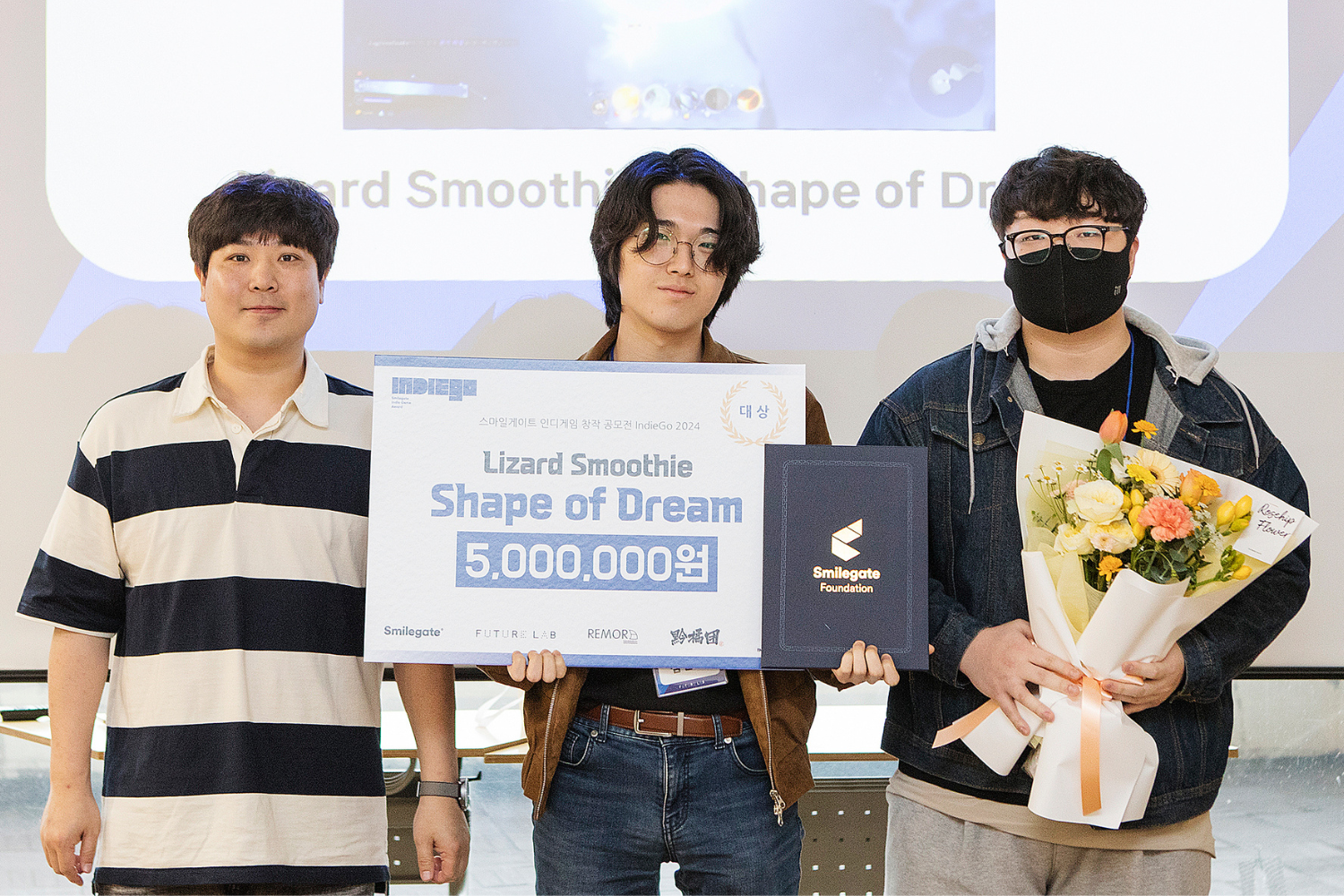
Q9. What are Lizard Smoothie’s future plans and goals?
Sim Eunseop : We’re currently recruiting an artist, aiming to expand our team to four members this year. From there, we plan to strengthen the identity of 'Shape of Dream' while adding more diverse content. Our goal is to launch Early Access in November this year and release the full version in March 2025. We hope that 'Shape of Dream' becomes a game that fans of roguelike and MOBA genres truly enjoy. Since MOBA is popular in Korea, China, and North America, we’re planning a strategic release tailored to the preferences of users in each region.
>> 쉐이프 오브 드림 데모 하러 가기 CLICK <<
However, when quoting content in articles, please credit it as “Smilegate Newsroom.”


 TOP
TOP
