


Smilegate’s ‘Crossfire’ Reimagined as a AAA Action-Adventure — First D… 2026-08-21
■ That’s No Moon introduces the development philosophy and core technologies behind expanding the CROSSFIRE IP into a AAA action-adventure
■ Adaptive Cover system breaks away from conventional shooter design, powered by Unreal Engine 5 and Motion Matching
■ Smilegate supports development resources and creative autonomy as the global CROSSFIRE IP expands its universe and genre boundaries
Smilegate announced on Friday, August 21, that it has released the first episode of a behind-the-scenes developer documentary for the new AAA single-player action-adventure Crossfire, currently in development by global studio That’s No Moon. The documentary explores the team’s development philosophy and the process behind building the game’s core technologies.
In the first episode, That’s No Moon focuses on the development of Adaptive Cover, its reinterpretation of the conventional cover systems commonly found in shooters, as well as the process of building the development studio itself. The team also discusses the background of its collaboration with Smilegate and the storytelling approach used to connect the broader CROSSFIRE IP universe with the new title.
The video opens with the story of That’s No Moon’s founding. Established in Los Angeles in 2021, the studio was formed around developers with experience at leading global studios such as Naughty Dog and Infinity Ward. Its team includes veterans who worked on titles such as Call of Duty and The Last of Us, animation developers from the Assassin’s Creed series, and experienced level designers from the online FPS space.
The documentary also explores how the collaboration between Smilegate and That’s No Moon came together. Smilegate was seeking a development team with global AAA expertise to expand the CROSSFIRE IP into a single-player experience, while That’s No Moon said Smilegate’s support and high degree of creative autonomy gave the studio room to pursue innovative technology within the shooter genre. The team set out to evolve the familiar design conventions that have long defined shooter games.
To move beyond the rigid structures traditionally seen in shooters, That’s No Moon developed an Adaptive Cover system that allows characters to move and take cover naturally across irregular, organic terrain more like real-world environments. At its core, Adaptive Cover enables characters to dynamically adjust their posture and use cover based on the surrounding environment, even around terrain such as rocks and slopes that cannot easily be standardized into fixed shapes.
To achieve this, the team is making extensive use of Unreal Engine 5 technologies including Nanite and Lumen. By combining these technologies—which enable complex environments and realistic lighting—with Motion Matching, the developers are creating highly detailed spaces that were difficult to realize in previous games while allowing characters to move naturally in response to both their surroundings and player input.
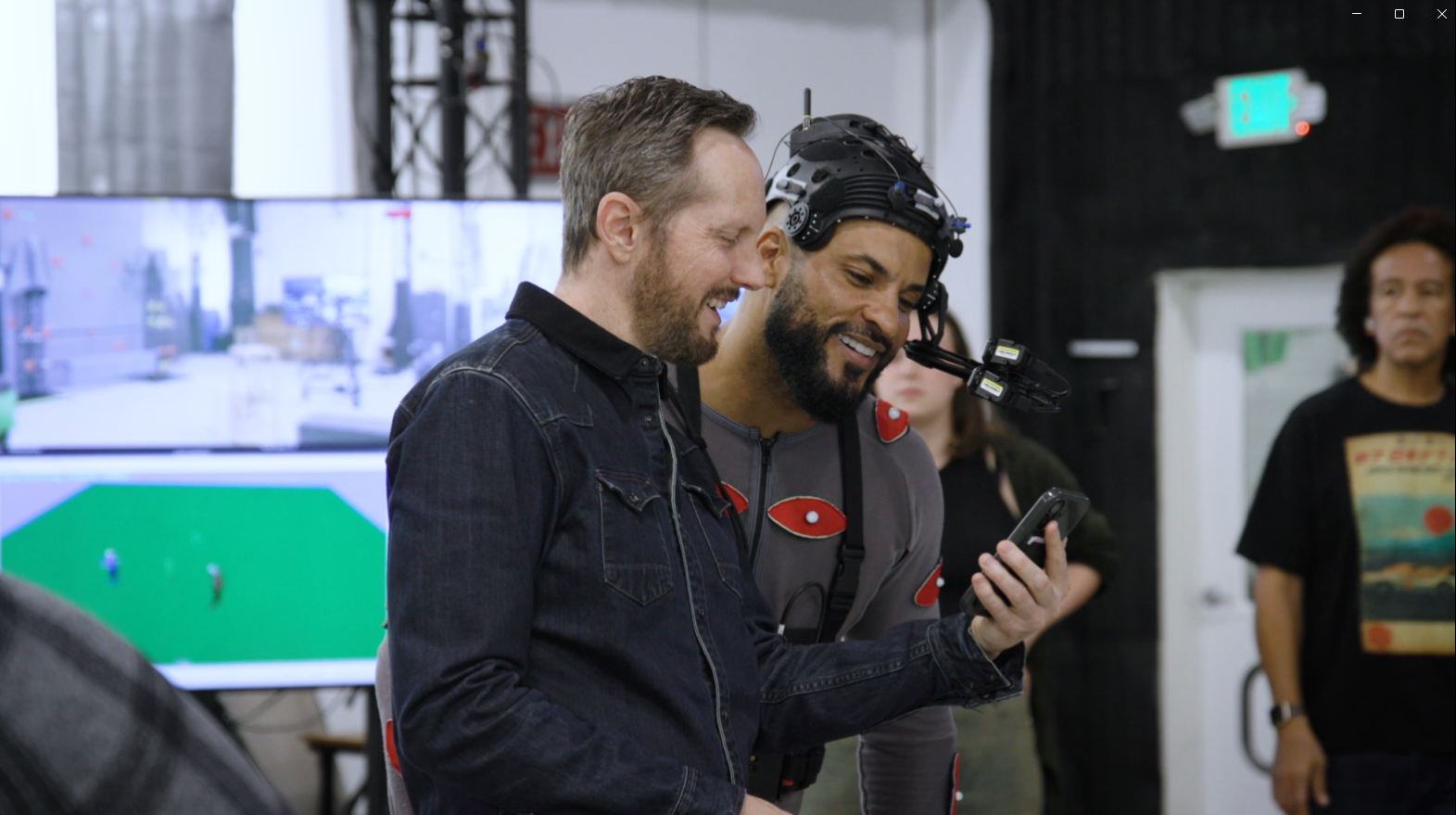
The development team is also investing heavily in its performance-capture environment to deepen immersion. That’s No Moon has built an in-house performance-capture stage and is working with Hollywood professionals whose credits include James Cameron’s Avatar films to raise the quality of character performances and cinematic direction.
The CROSSFIRE IP is also opening up new possibilities for storytelling, not just gameplay. The new Crossfire centers on two mercenaries who were once enemies but are forced by circumstance to work together. Rather than presenting a simple conflict between good and evil, the developers aim to portray characters with different perspectives and backgrounds who may become enemies depending on the situation, and who gradually come to understand one another.
This approach also connects to the CROSSFIRE universe, which has long developed around the perspectives of two opposing sides. The developers explained that CROSSFIRE’s world—one that does not define either side as absolutely good or evil—was well suited to the kind of story they had wanted to tell for years.
The game’s difficulty is also tied to this narrative. To make the premise of former enemies cooperating for survival and to complete their mission feel convincing, the developers have built an appropriate level of tension and challenge into the combat itself. By increasing both the importance of cover and the danger of combat, the game is designed to help players understand the Adaptive Cover system while delivering a strong sense of accomplishment.
Through this project, Smilegate is expanding the long-running CROSSFIRE IP beyond online FPS games and into the AAA single-player space. The company plans to introduce global players to a new vision of Crossfire by preserving the established universe and identity of the IP while combining them with the technical expertise and creative capabilities of a new development team.
Smilegate and That’s No Moon plan to release additional content leading up to the game’s launch, offering further insight into the team’s development philosophy and production process. Future installments will cover a range of behind-the-scenes topics, including the game world and character design, the technical challenges involved in building the Adaptive Cover system, and storytelling production through performance capture. The Crossfire developer documentary is available on Smilegate’s official YouTube channel.




 TOP
TOP
