

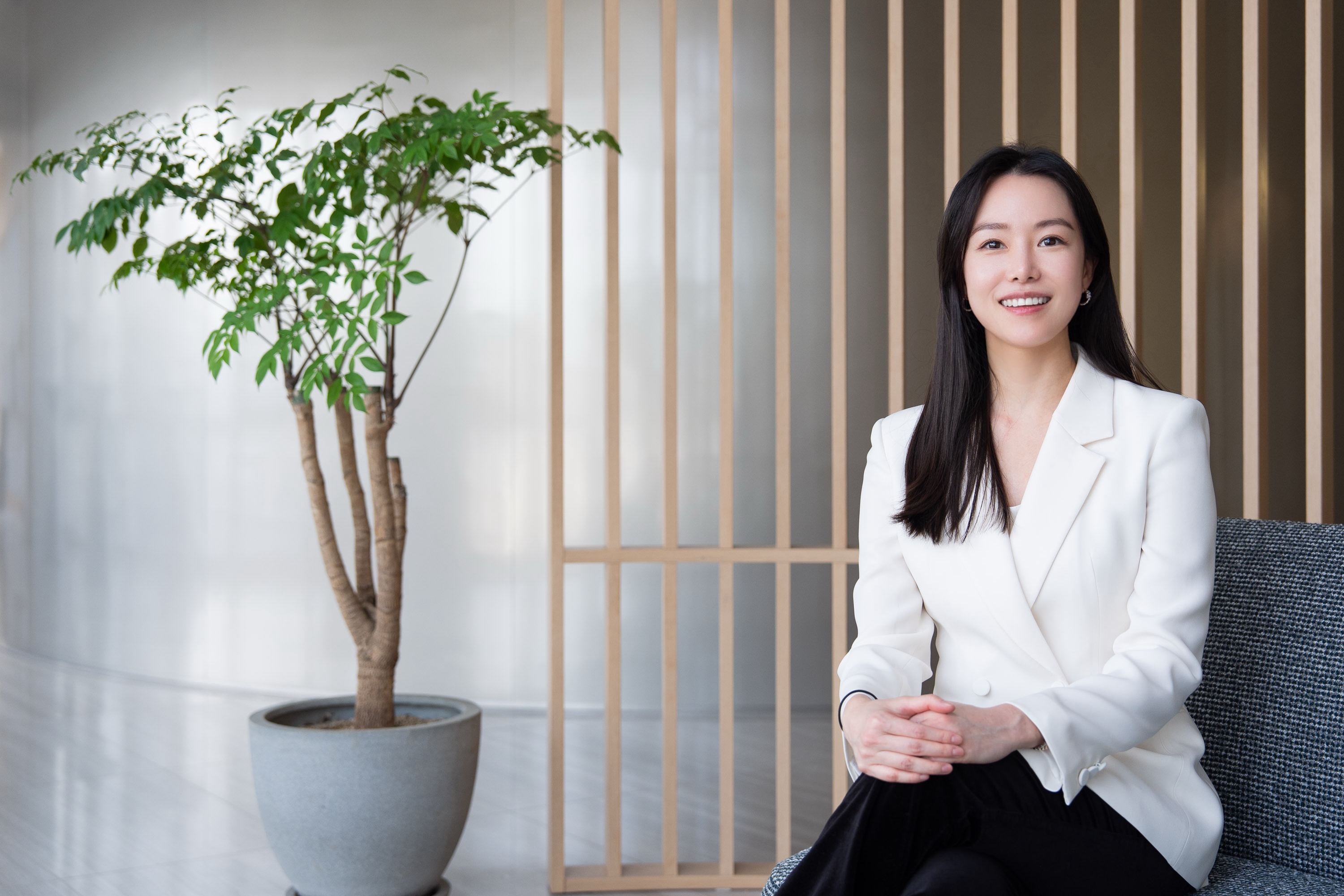
"A Philosophy of Mutual Growth Between Investors and Portfolio Companies Builds Trust" 2026-04-10
The journey for a startup to develop a new drug is incredibly arduous.
From basic research to discover candidate substances to non-clinical trials, clinical trials, and the final licensing process, it often takes over a decade and requires astronomical costs. Even with such investment, success is never guaranteed; clinical failure rates remain high. Yet, the reason players flock to this market is clear: a single successful drug can generate trillions of won in value over decades under patent protection.
The key factors that improve success rates are "strategy and capital." In the world of Venture Capital (VC), the decision to deploy capital rests with the investment professional (investment manager). They decide based on a comprehensive evaluation of technology, the market, and key personnel.
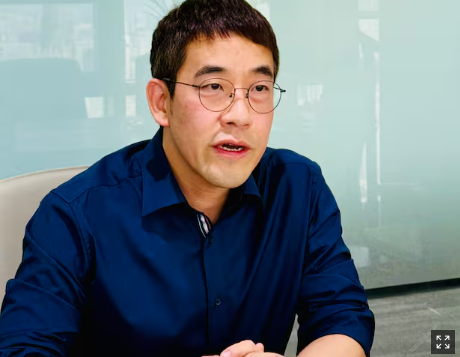
However, Eun-ji Ju, a Senior Manager leading bio-sector investments at Smilegate Investment, goes a step further. Ju is an investor who looks closely at whether a founder possesses the flexible mindset needed to pivot when faced with a crisis. We sat down with her to hear about Ju’s experience facilitating a technology export deal worth over 1 trillion KRW within just two years of investment, and what kind of VC professional Ju aspires to be.
Q. You started your career as a researcher. What led you to become a VC investment professional?
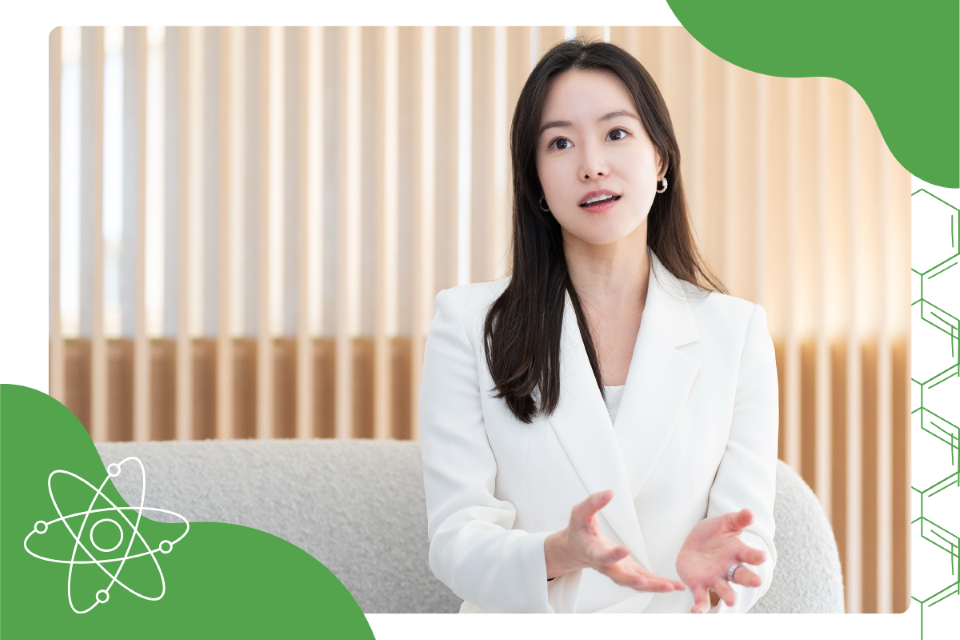
Originally, I was a neuroscience researcher developing drugs to enhance cognitive functions. However, I realized that for a great treatment to actually reach patients, it ultimately requires capital and strategy. This awareness led me to gain experience in strategy and research planning at SK Biopharm. After learning the "language of investment," I entered the path of a VC investment professional.
Currently, I meet companies at various stages, from early-stage startups to listed companies. I have invested over 30 billion KRW in about 20 bio and healthcare companies. I study the most cutting-edge technologies, meet founding teams in person, read the market, and build networks with relevant experts. Once an investment is made, I provide diverse support to ensure we grow together.
Q. What kind of people become Bio VC investment professionals?
Most are experienced professionals with expertise in specific fields. In the bio sector, backgrounds are diverse, including R&D veterans with Master’s or Ph.D. degrees, former employees of global pharmaceutical companies, pharmacists, doctors, patent attorneys, and lawyers.
According to VC association statistics, there are about 2,000 VC investment professionals in Korea, and I estimate that those specializing in bio represent about 10%. Due to the nature of the role, the barrier to entry is high, and once people enter, they tend to form an "inner circle" and stay active for a long time. I have been in this field for about seven years now.
Q. What has been your most meaningful achievement during your seven years of investing?
One of my portfolio companies recently closed a technology transfer deal worth approximately $1.04 billion (about 1.5 trillion KRW). It was a contract to transfer the exclusive development and commercialization rights of a candidate substance for Alzheimer's disease treatment to a global pharmaceutical company.
This substance is an antibody therapy that selectively targets and removes "acetylated tau (acK280)," which causes toxic aggregation, without affecting normal tau—one of the primary causes of Alzheimer's.
This company painstakingly carved out a difficult path, from discovering targets in patient tissues to selecting candidate substances, verifying efficacy, conducting non-clinical trials, and producing clinical samples. I had been keeping an eye on them since they were developing treatments based on patient tissue in a lab at Asan Medical Center. At the time of investment, many people tried to dissuade me because the failure rate for brain disease treatments has historically been extremely high.
However, while analyzing papers, patents, and experimental data one by one, I realized this company possessed exactly what global pharmaceutical giants were looking for. The greatest achievement for a bio-startup is exporting technology needed by Big Pharma; at the time, the only competitors were large pharmaceutical companies, and this startup was the sole outlier. The CEO's foresight in predicting this and their deep understanding of the technology gave me the confidence to invest.
Despite the opposition, we invested, and within a year and a half, the 1.5 trillion KRW technology transfer was finalized. The non-refundable upfront payment alone was worth 120 billion KRW.
Besides this case, I am continuing to build a track record with promising deals like Orum Therapeutics, which successfully went public (IPO), and Phrasier Therapeutics, which received investment from Johnson & Johnson (J&J)—all of which demonstrate the potential of "K-Bio." I believe my track record is built on consistently discovering promising companies based on my own investment philosophy and standards.
Q. What are the most important criteria you look for when investing?
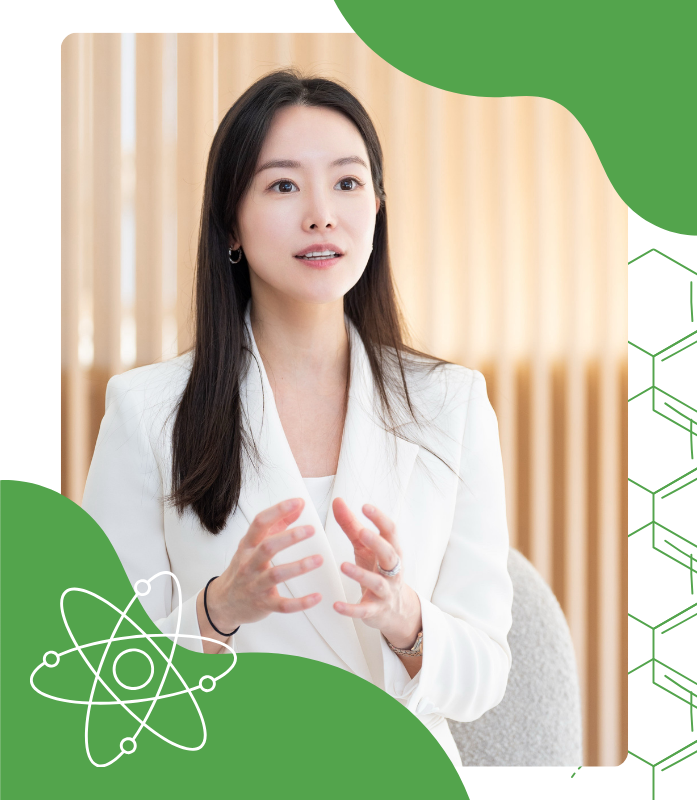
I generally look at three things:
First, "Repeatability." It’s not just about making one drug; it's about whether the technology can consistently produce high-quality treatments. Since any new drug has a high risk of failure, I check if they have a technology-based platform capable of supplying follow-up candidates.
Second, the "Resilience" of the founder. In bio-startups, failure is inevitable. Therefore, what happens after a failure is more important. There are many cases where a company successfully pivoted after a drug failed and eventually went public. Ultimately, I invest in founding teams that have the resilience to quickly set a new direction and run again after falling.
Third, the "Attractiveness of Technology Export." I research the market to see what kind of technologies global pharmaceutical companies will want in the next 3 to 5 years, and I consider the differentiation and superiority of the startup compared to its competitors.
Q. What are the unique strengths of Smilegate Investment?
Smilegate Investment is a VC firm where the founder of the parent group serves as the CVO (Chief Visionary Officer). Because of this, we understand the "growing pains" of startups on a visceral level. This has naturally fostered a startup-friendly culture. Our philosophy of nurturing domestic companies beyond simple investment returns is embedded in our DNA, and the industry recognizes us for that.
We have a fund structure that covers all stages, from seed to IPO. There are many cases where we have made up to five or six follow-on investments in a single company to grow together. Furthermore, in connection with "Orange Planet" (Smilegate’s startup foundation), we often provide free office space to early-stage teams and help them secure government policy support like TIPS.
Through our "VC On-site" program, investment managers sometimes work directly from a startup's office for a certain period. We act as a CFO for startups weak in finance/accounting or help them draft IR materials. I have also volunteered to work at portfolio companies to assist with product planning, sales, and even overseas marketing ahead of a product launch. It was a fascinating experience.
Our global capabilities are also a major strength. With our recently established U.S. office, we plan to significantly increase our investments in the U.S. market. In fact, we have already been forming investment funds in India, Southeast Asia, China, and Japan to discover excellent overseas companies and provide networks for domestic startups looking to expand abroad. Especially in the bio sector, where global pharmaceutical networks are crucial, these assets provide a significant competitive edge. There aren't many VCs that can cover everything from domestic beginnings to global expansion.
Q. Are there any specific areas in the bio sector you are focusing on?
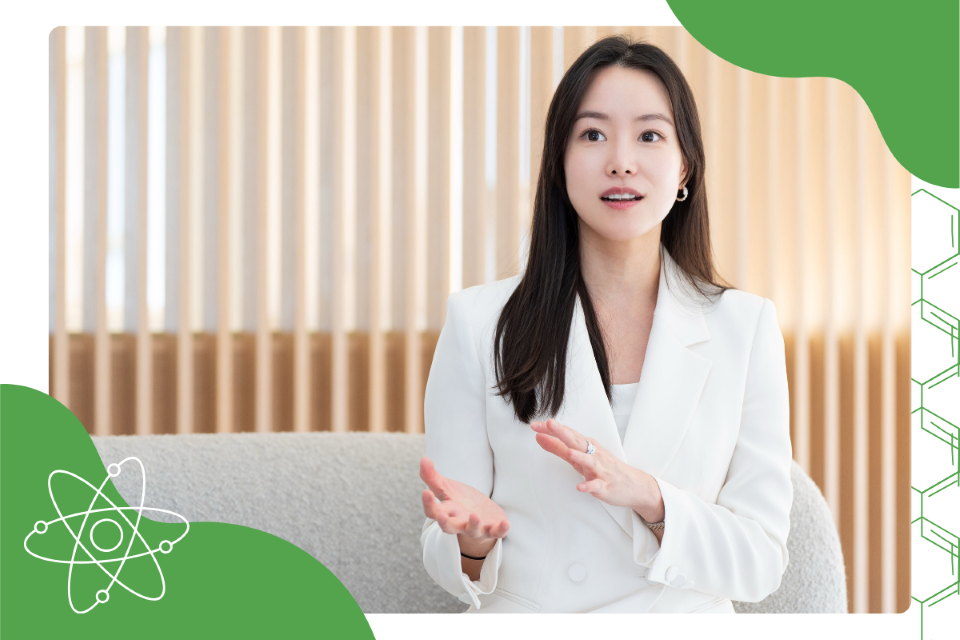
In terms of the big picture, I am focusing on "massive markets that still lack proper treatments." This includes degenerative brain diseases like dementia, eye diseases like macular degeneration, immune diseases, and chronic metabolic diseases. The common thread is that the number of patients is exploding due to aging populations, yet satisfactory treatment options remain scarce. Since global pharmaceutical companies are actively acquiring technologies in these areas, I see great opportunities for our portfolio companies.
Simultaneously, the speed and accuracy of drug development are rapidly increasing thanks to advancements in AI and genomic technology. Areas that previously relied on intuition and experience can now be predicted with data, allowing us as investors to make more precise judgments.
Q. What is your ultimate goal as a VC investment professional?
I feel most rewarded when I hear someone say, "I really want to receive investment from Smilegate." It’s the same when the CEOs of companies I’ve invested in tell me, "I want to keep working with you." It means we are building a level of faith and trust that money alone cannot buy.
I want to create a structure where this trust leads to a "virtuous cycle"—where portfolio companies introduce each other and connect us to other great companies. When we shared the growth story of Smilegate and Smilegate Investment in the U.S., many people were impressed by this virtuous cycle. It was a moment that confirmed that the philosophy of "growing together" resonates even across borders.
Personally, I want to be an investor who supports quietly when a company is doing well but is the first to run to them when things get tough. By building that trust, my ultimate goal is to make Smilegate Investment the VC firm that the best
However, when quoting content in articles, please credit it as “Smilegate Newsroom.”





 TOP
TOP
