

"No one should ever die from Malaria." 2025-09-23
An interview with An Jung-kwon, CSO of Noul, on the company’s challenges and vision
Noul, a digital healthcare company drawing attention from Bill Gates
According to the World Health Organization (WHO) World Malaria Report 2024, there are approximately 263 million malaria infections and 600,000 deaths each year worldwide, with the number of cases rising for the fifth consecutive year.
In response to this situation, in March last year, health ministers from 11 African countries announced the Yaoundé Declaration, which carried the message “No one should die from malaria,” emphasizing cross-national cooperation.
Can malaria — a disease that threatens humanity — be diagnosed more efficiently? The answer can be found in the efforts of the digital healthcare company Noul. Noul’s AI-powered malaria diagnostic platform, miLab™ MAL (hereafter miLab), has been recognized as an innovative technology that reduces the malaria diagnosis process from one hour to just 15 minutes. By significantly improving the accessibility and accuracy of malaria testing, more people can now receive diagnoses quickly and easily. To date, over 410,000 diagnostic tests have been performed in more than 30 countries using miLab.
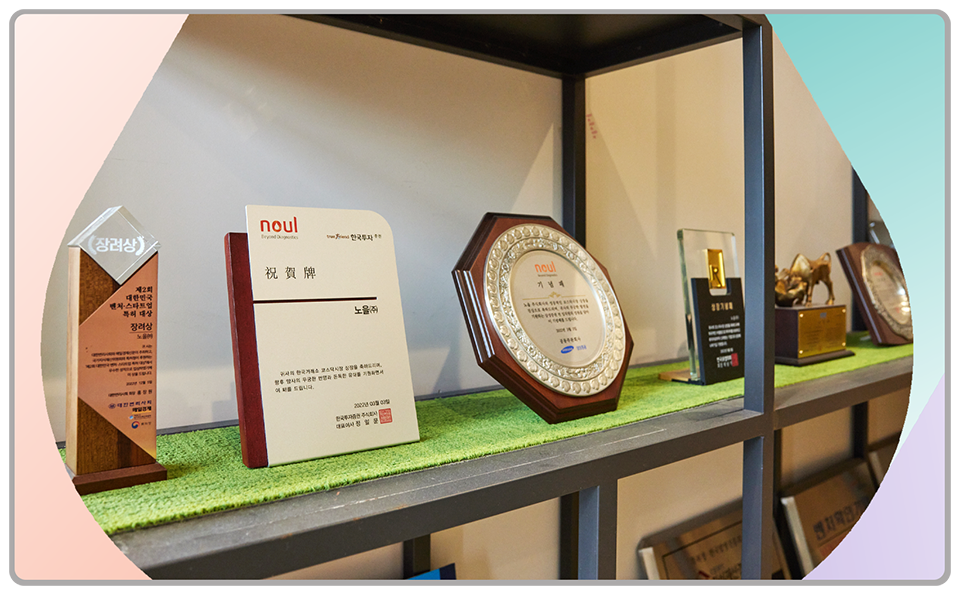
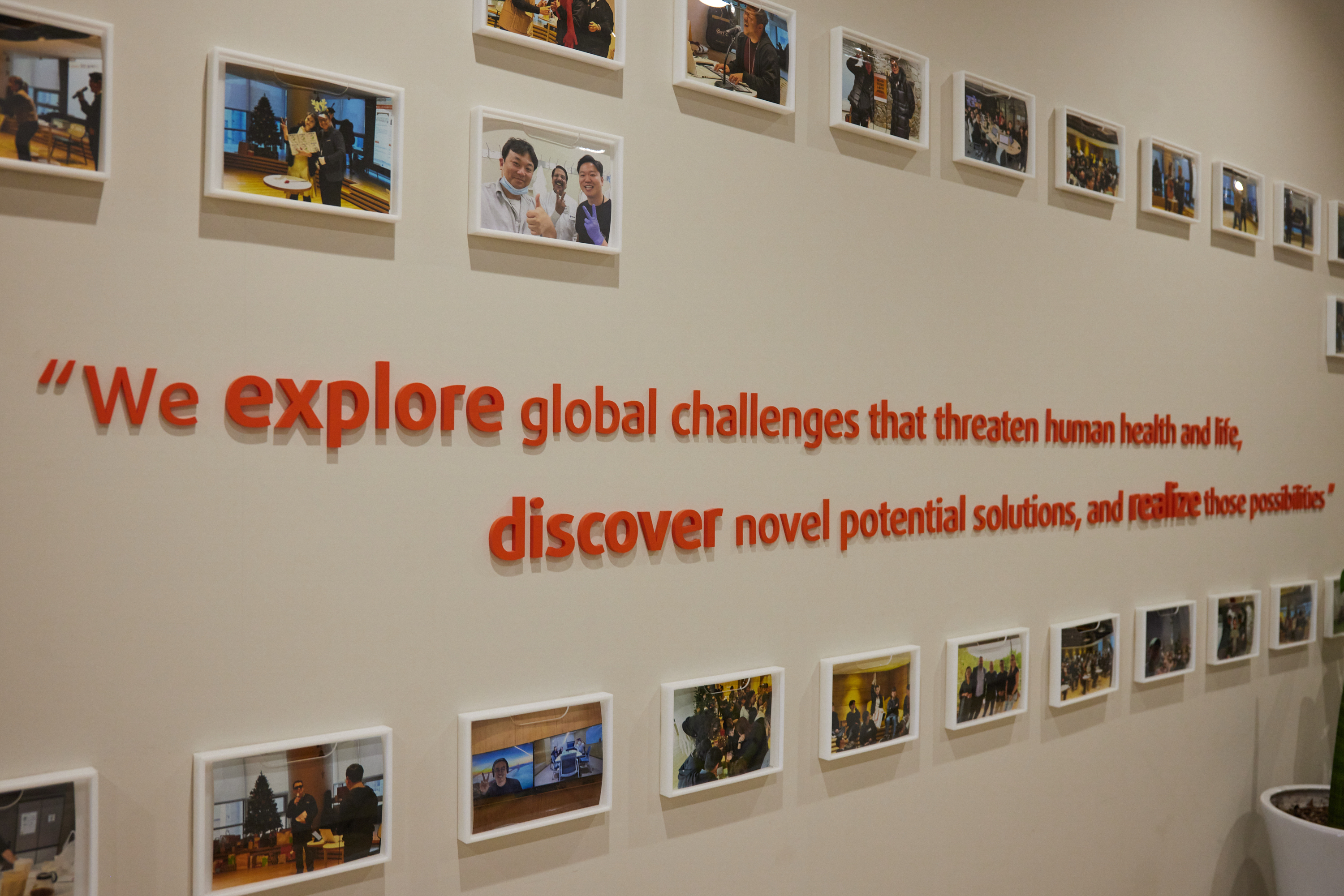
Smilegate Investment invested in Noul in 2020, recognizing its mission to explore and solve global health challenges that threaten human life. The Smilegate Newsroom met with An Jung-kwon, CSO of Noul, to discuss how the company received investment from Smilegate, its growth story, and its future vision.
Q. How did Noul first come to connect with Smilegate Investment?
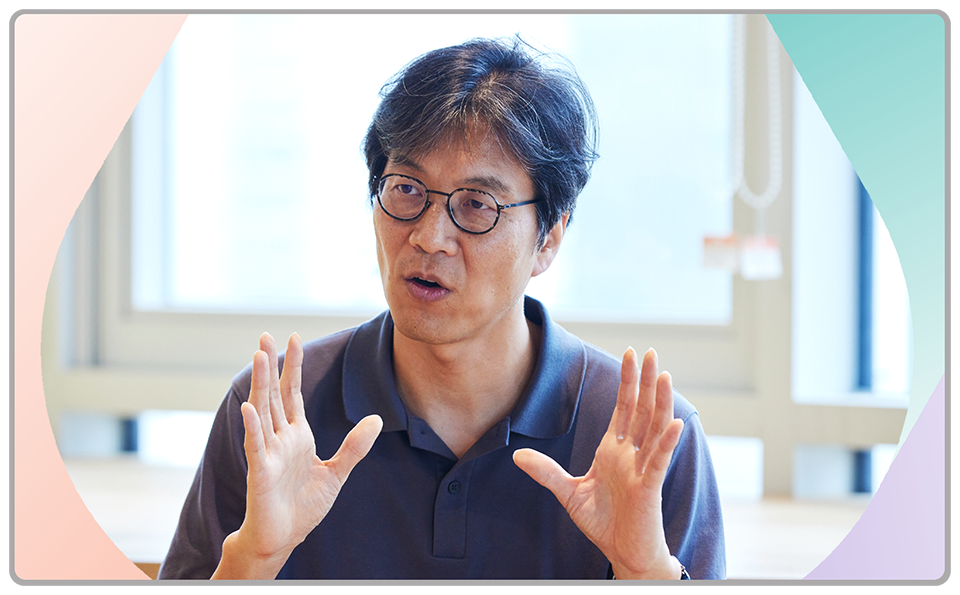
A. In 2020, we were at a stage of advancing our self-developed diagnostic device and in need of investment. At that time, Smilegate Investment decided to invest based on our technological capabilities and vision.
Although we didn’t yet have many visible achievements, they appreciated our ambition to “make the world a better place by addressing threats to human health and life through innovative technology and business.”
Q. What changes did you experience after receiving the investment?
A. We maintained continuous and structured communication with Smilegate Investment while executing our long-term roadmap step by step. Their practical advice and constructive requirements allowed us to refine our device and sustain our business operations effectively. That investment became the decisive momentum that laid the foundation for our growth.
Q. Noul has emphasized “social impact” since its founding. What does that mean to you?
A. For the past decade, Noul has pursued both social impact and business growth. We have worked to ensure that our products create a positive impact on society, and we are now seeing tangible results. Technology, quality, and a solid business model must all align to make social impact truly sustainable. We practice “mission-driven management,” ensuring that our business achievements naturally translate into social impact.
Q. In 2021, Noul gained attention for its malaria diagnostic technology. What innovation made this possible?
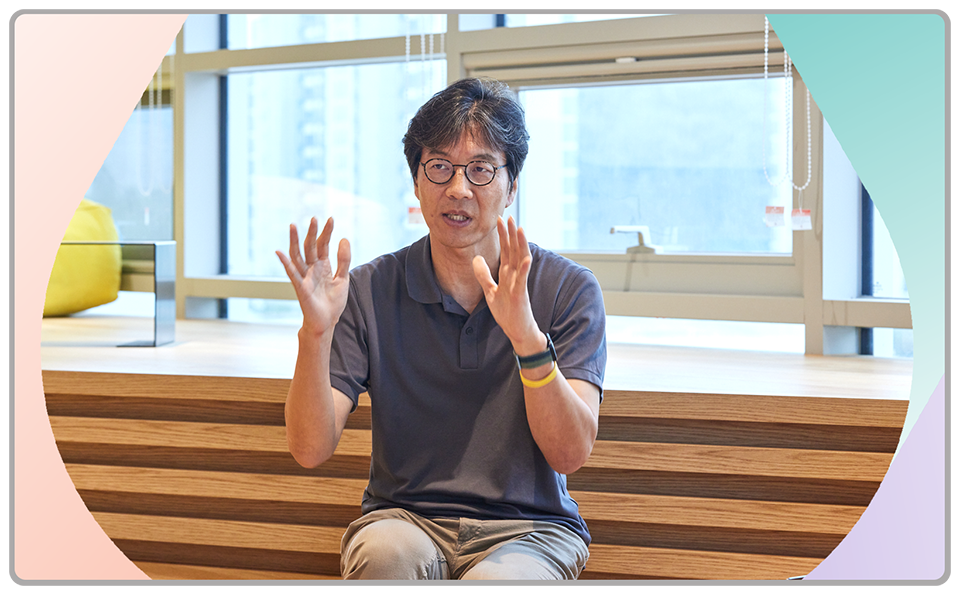
A. Traditionally, malaria diagnosis took about an hour, but our device reduced that time to just 15 minutes. Previously, diagnosis was only possible in well-equipped laboratories, involving complex procedures and high costs. We commercialized an on-site diagnostic platform that automates the entire microscopy process using our proprietary hydrogel-based solid staining technology combined with over 40 convergent technologies, including embedded AI and robotics.
Through this AI-based innovation, we streamlined traditional diagnostic methods while significantly improving accuracy. In clinical tests conducted by LabCorp, one of the largest diagnostic service companies in the United States, our technology demonstrated 100% sensitivity and specificity, validating its reliability. This proved that our innovation could be effectively applied in real-world medical settings.
Q. Why did you choose to enter the African market first?
A. Malaria is most prevalent in sub-Saharan Africa. In many countries, misdiagnosis leads to over-prescription of medication, creating a vicious cycle of drug resistance. This is why we decided to introduce our accurate and cost-effective diagnostic device in Africa first.
We are currently supplying our products to middle- and low-income countries such as Nigeria and Ghana, expanding into public healthcare sectors. Africa faces challenges such as a lack of infrastructure, skilled professionals, and stable electricity. These conditions made our portable and efficient device particularly attractive.
Q. In 2022, Noul successfully went public on KOSDAQ through a technology special listing. What does this achievement mean for the company?
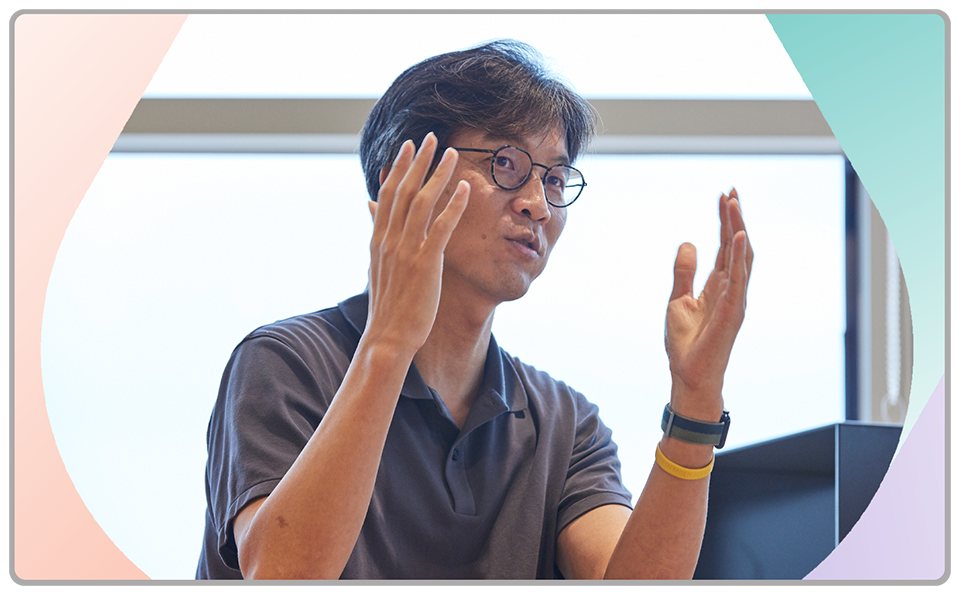
A. We view our IPO not as a completion, but as a new beginning. It allowed us to secure new investment opportunities and establish a foundation for long-term growth. Notably, by participating in the “Value-Up Program,” which had traditionally been limited to large corporations, we demonstrated that even tech-special startups could enhance corporate value.
The bio-healthcare industry typically has long product development and business cycles. Therefore, building investment competitiveness and securing a foundation for sustainable growth are crucial for long-term success. We’ve developed a strategy focused on expanding our presence in advanced markets as a gateway to global growth.
Q. How has Smilegate Investment supported Noul’s global market expansion?
A. We’ve benefited greatly from Smilegate Investment’s extensive global network. They ask insightful questions to understand what we truly need and connect us with the right networks. We always feel their genuine interest and care for the companies they invest in.
Q. Recently, Noul expanded into cervical cancer diagnostics. Could you tell us more about this initiative?
A. In June of this year, we signed an exclusive three-year contract worth approximately $720,000 to supply AI-based cervical cancer diagnostic solutions in Qatar. In March, we also signed supply agreements with six Central American countries, including Panama. Cervical cancer typically takes about seven years to progress from normal to malignant stages, making early screening a highly effective preventive measure. We expect strong responses in Middle Eastern and Latin American countries, where healthcare systems are still developing.
Recently, we also obtained regulatory approval for our AI-based medical device from the Vietnamese authorities, establishing an important foothold for expanding our business into Asia, following the Middle East and Latin America.
Q. What is Noul’s vision for the future?
A. Recently, we had the honor of participating in an international public health discussion with the Bill & Melinda Gates Foundation — as the only Korean AI-based medical company present.
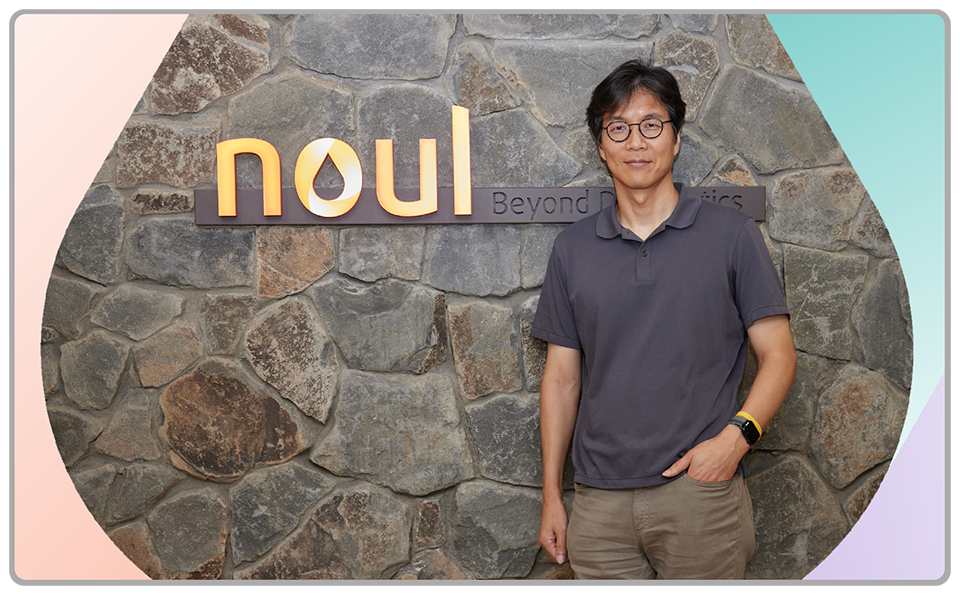
This demonstrates that our technology and vision are gaining global recognition. Noul aims to grow into a global healthcare company that positively impacts one billion lives by 2030. Together with Smilegate Investment, we will continue to create social impact and build a better world.
However, when quoting content in articles, please credit it as “Smilegate Newsroom.”





 TOP
TOP
