

In an era where artificial intelligence (AI) has rapidly entered our daily lives, what kind of education is needed for future generations? 2026-07-03
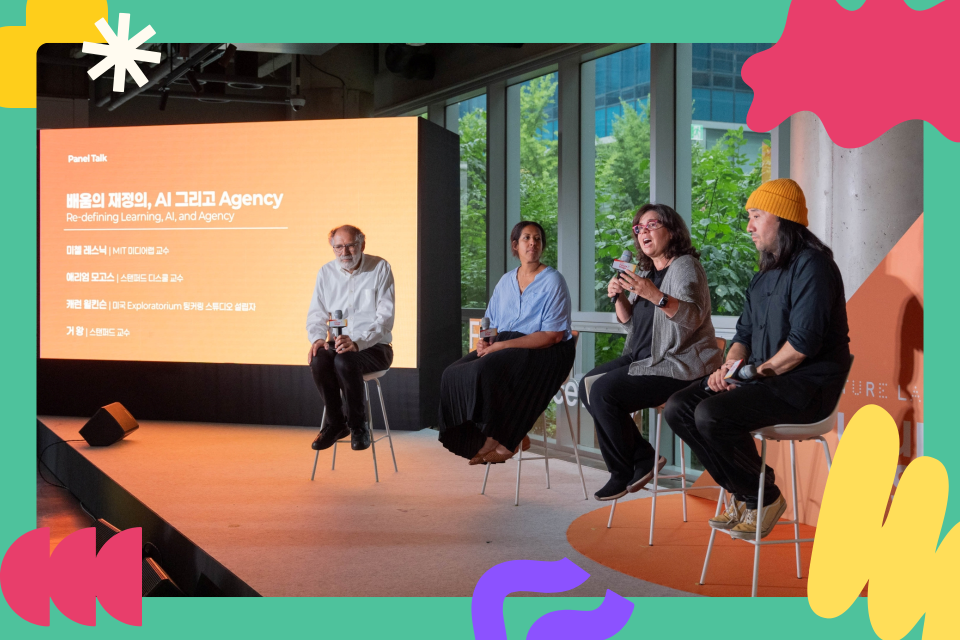
To find the answer to this question, world-renowned scholars gathered on June 20 at the education conference ‘Future is on Stage: Redefining Learning, AI, and Agency,’ commemorating the 10th anniversary of the launch of Future Lab. It was a gathering to seek milestones for the future of education amidst a turbulent era of rapid change driven by technological advancements.
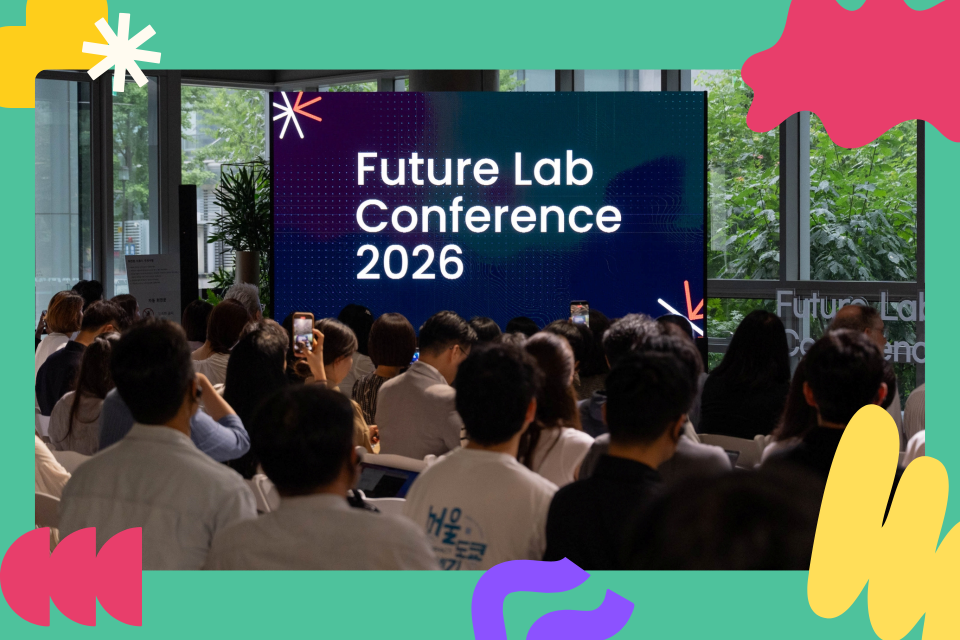
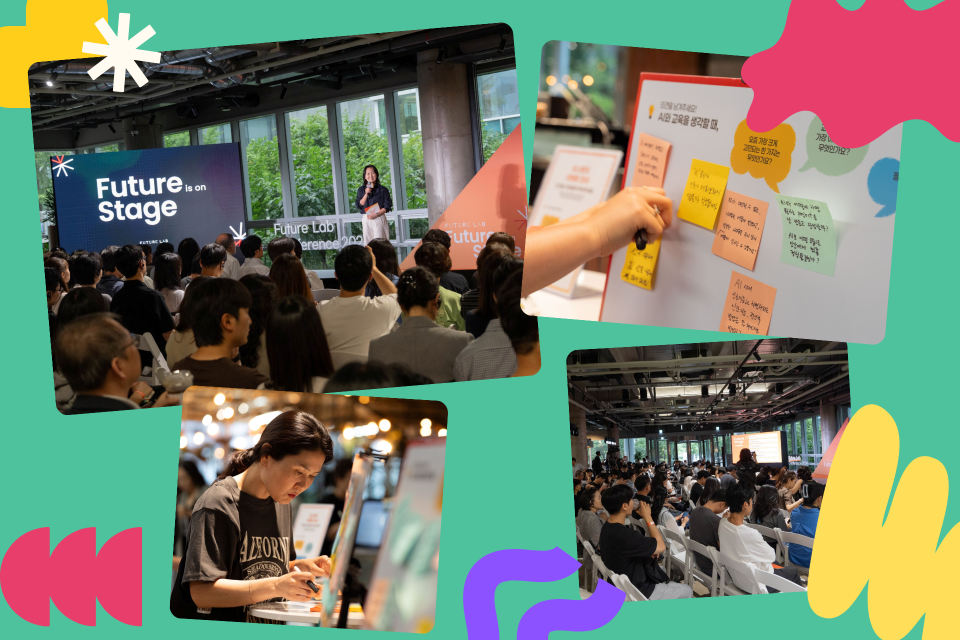
Approximately 300 participants filled the auditorium, including teachers seeking direction in education, parents in need of alternative approaches to their children's career paths, and youth seeking new perspectives on learning.
We vividly report on the event, which presented discourse on the essence and agency of learning in the full-scale era of AI.
In the AI era, securing children's unique individuality and agency is important.
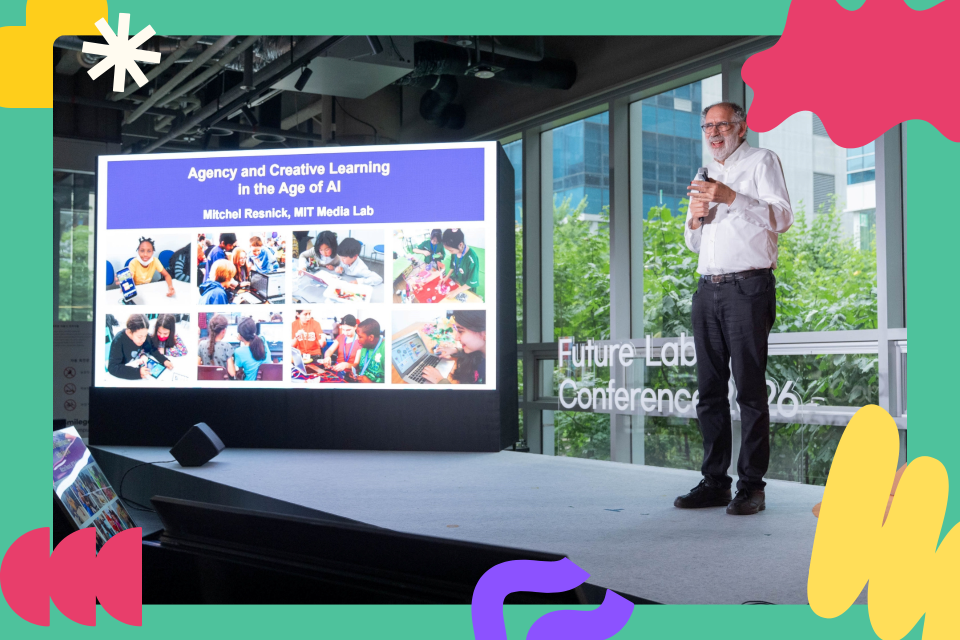
Mitchell Resnick, Vice President of Future Lab and Professor at MIT Media Lab, took the stage as the first speaker and opened the conference with the theme "Agency and Creative Learning in the Age of AI."
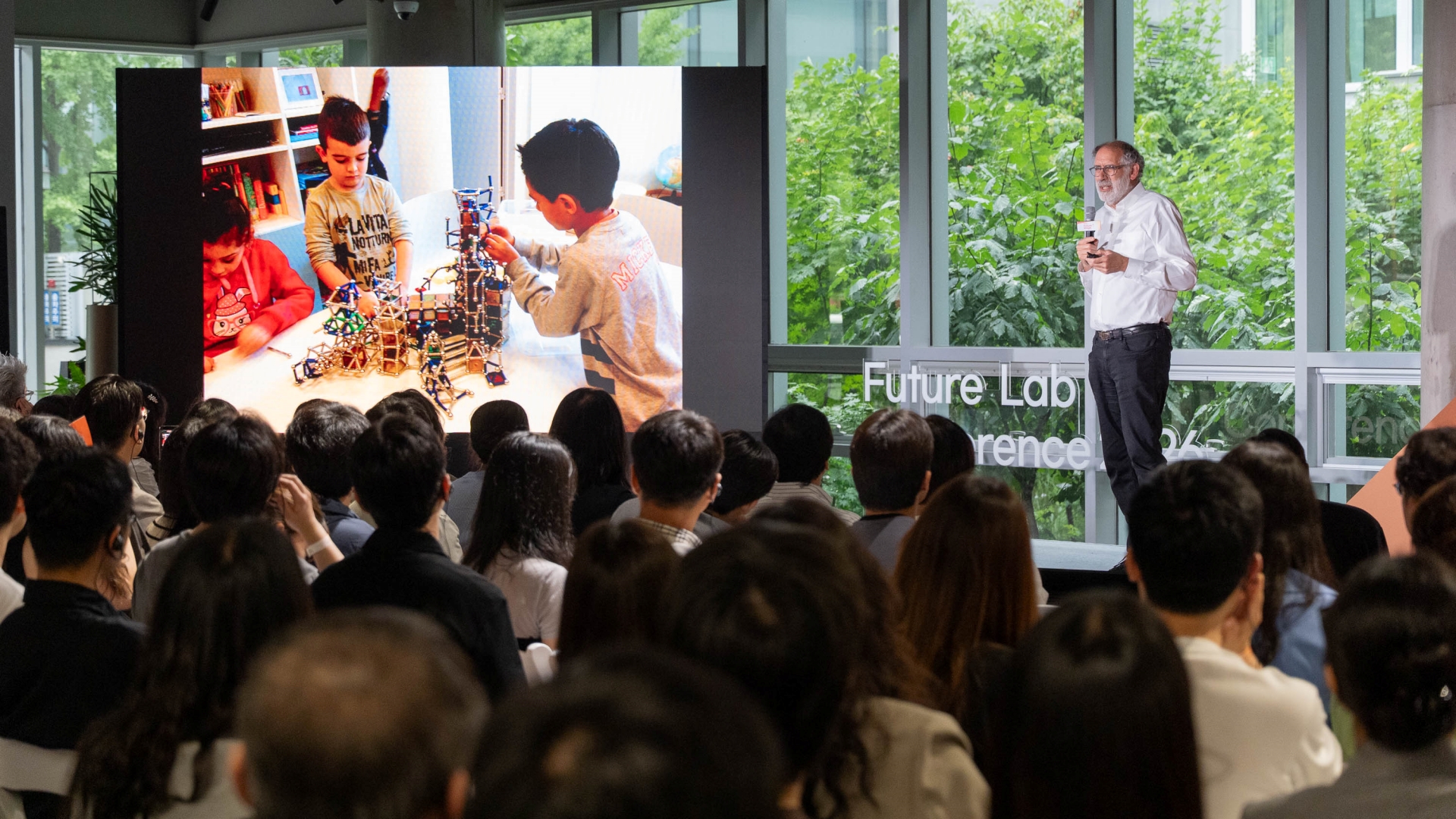
Professor Resnick introduced examples of innovation in Italian schools based on the "Reggio Emilia Approach." Reggio Emilia is an educational philosophy that originated in Reggio Emilia, a small city in northern Italy, after World War II. The core of this philosophy is to view children not as empty vessels, but as active agents of learning who shape their own personalities, and to deeply respect their role in the learning process.
As an example, Professor Resnick introduced a culture in which children's drawings are displayed on commercial billboards on the streets surrounding Italian schools. Regarding this culture, he explained, "By showing children's voices and unique worldviews instead of commercial messages from adults, it fully acknowledges that children are agents who exert influence on the world." Children raised in an environment where their agency is respected are not confined to predetermined answers but can explore the world in their own unique ways and expand their creative capabilities on their own.
Citationing "The Hundred Languages of Children," emphasized by Loris Malaguzzi, the founder of the Reggio Emilia Approach, Professor Resnick stated that preserving children's unique individuality and agency is a core value of education in the AI era. It was suggested that AI should serve as a medium to open up new creative opportunities and strengthen collaboration.

Why Value-Based Learning Is Necessary in the AI Era
Professor Ge Wang, Director of the Human-Centered AI Lab at Stanford University, took the podium as the second speaker and delivered a lecture on the topic, "What Do We (Really) Want from AI?" Amidst the massive trend of AI becoming part of our daily lives, he examined what values we should truly pursue and shared his views on the matter.
He showed the advertising boards of AI companies that have sprung up like mushrooms along the Silicon Valley highway. Noting a slogan that read, "If you do not use AI, many things will be replaced by AI," he expressed concern over the social pressure to unconditionally accept technology and the technology-centric trend.
Professor Ge Wang emphasized, "Every experience is valuable, and learning can be sustained through that value," stating that if we only pursue the productivity and efficiency of technology, "valuable learning," which is the essence of education, could be forgotten.
He stated that AI can serve as a tool to aid human creativity, citing his experience of personally building a model where a robot waves in response to a human wave using 'Wekinator,' an interactive AI tool where users control data, and introducing an AI ocarina app played by blowing into a smartphone. He emphasized that although productivity and efficiency were low from a technical standpoint, he was able to experience valuable learning through these two examples.
At the end of the lecture, Professor Ge Wang shared an anecdote about seeing a double rainbow at the summit after a strenuous hike in the mountains during the pandemic. He defined this as "Virtuous Labor," noting that it was an experience he would never have felt had he landed at the summit by helicopter instead of walking himself. He added, "I learned that I, too, am capable of accomplishing such things, and I realized that although it was a painful experience, I would not trade it for anything."

AI is a tool that turned my imagination into a movie
Student Kim Na-young, who took the stage for the third session, gave a presentation on the topic of "Creative Partner AI and the Experience of True Creation." Kim Na-young shared her experience of participating in the Future Lab AI Video Creation Workshop to create the short film *Society of Masks*, and submitting it to last year's Busan International Children and Youth Film Festival.
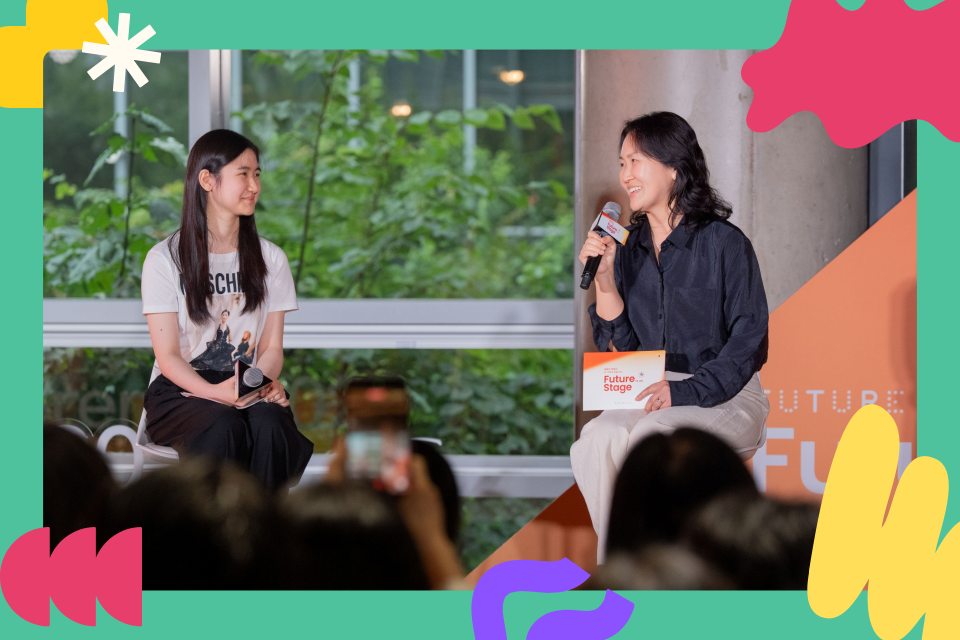
Student Kim Na-young said, “Although I utilized AI, I also engaged in analog creative processes. Even though it was a familiar method, the experience felt different depending on the intention and purpose behind it.” She added, “Through experiencing various media, I became able to create independently based on an understanding of myself. Thanks to this process, I was able to fully capture my ‘inner emotions and my own imagination’ in the film without being tainted by the uniform answers provided by AI.”
She also shared her experience that using a ‘project notebook,’ which documents the step-by-step process of conceiving ideas and revising prompts through numerous trials and errors, is helpful for creative work.
The Required Attention When Utilizing AI
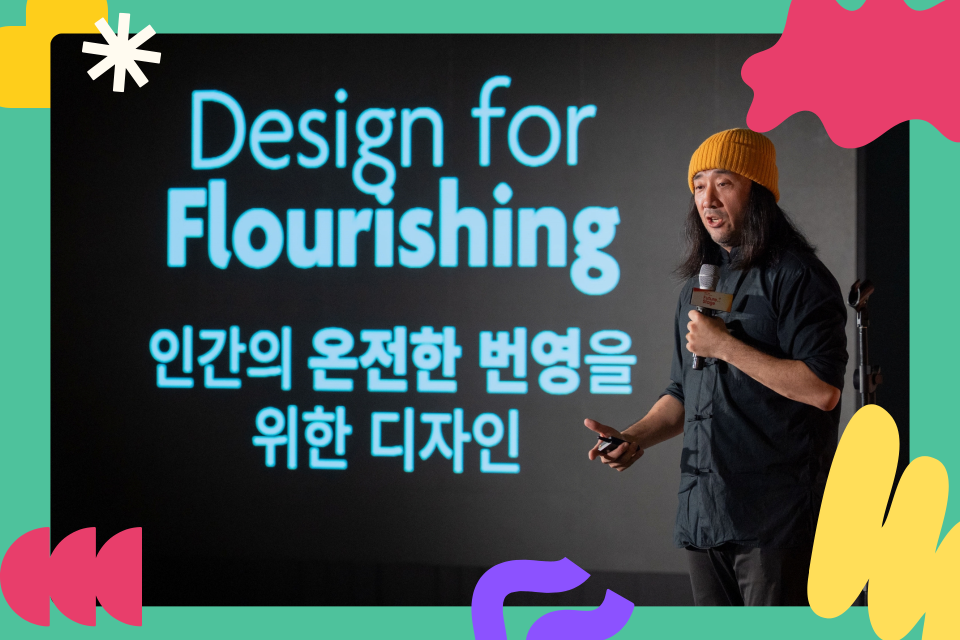
Professor Ariam Mogos of the d.school at Stanford University led the fourth session under the theme of "Independent Design Capabilities for Future Generations in the AI Era."
Professor Mogos emphasized that when utilizing AI, one must maintain a sense of tension while being aware of three keywords: "Craft, Collaboration, and Context."
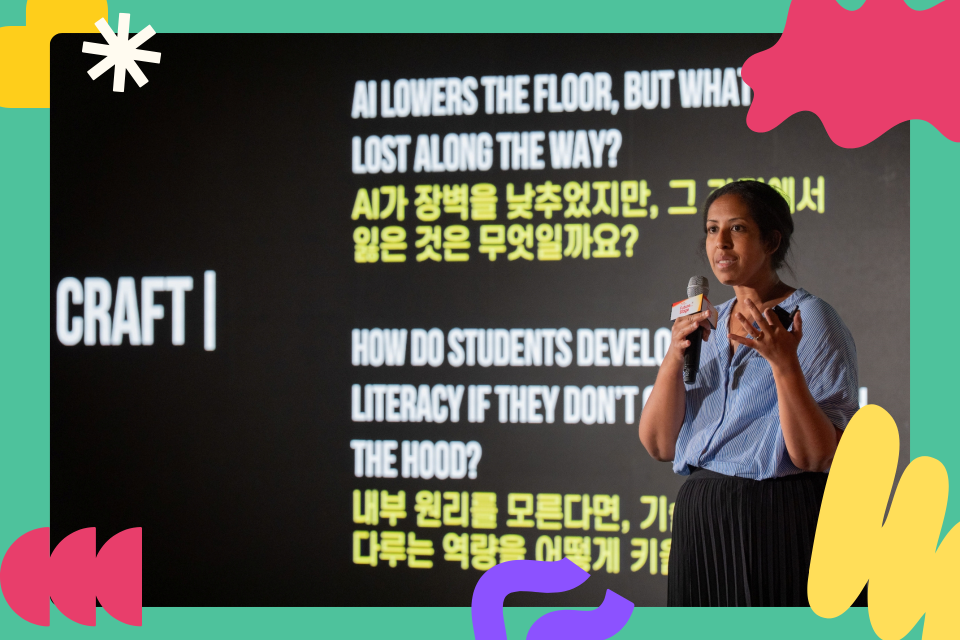
"Crafting" refers to the experience of handling diverse materials directly with one's hands. Professor Mogos believes that to cultivate a sense of creativity, it is best to create objects using actual materials (Craft) and then utilize AI afterward.
"Collaboration" refers to the process of exchanging feedback through joint work with others. Professor Mogos stated that communicating with AI only on a one-to-one basis reduces the experience of "productive friction." Productive friction is the concept of coordinating thoughts and opinions during the process of communicating with others to produce productive results.
Finally, "context" means that AI responses, which can easily become biased, must be verified from various perspectives. Professor Mogos emphasized that one must thoroughly understand what data the AI learned, who built the AI model, and what their background is.
Professor Mogos stressed that one should avoid using AI blindly and maintain a sense of vigilance by considering the three keywords mentioned earlier in order to utilize AI properly.

Oh Sook-hyun, Head of Future Lab and the moderator of the event, concluded the conference by urging educators and parents to maintain their interest, stating, “Our role is to help children not lose their unique voices in the field of future education alongside AI.”
Future Lab, which has supported creative environments for children and adolescents for the past decade, presented the answer at this conference: “As technology becomes smarter, our learning must become more human.”
Perhaps the vision of future education envisioned by Future Lab can be realized when children can become independent individuals who ask questions rather than memorizing answers like machines, and when a steadfast solidarity is formed among adults who trust their clumsy trial and error and patiently wait for them.
However, when quoting content in articles, please credit it as “Smilegate Newsroom.”




 TOP
TOP
