


"Indie Game Development is a Lonely Battle—Senior Support and Networking Provide the Strength to Push Through!" 2026-06-10
What do indie game creators need?
Generous funding? High-performance IT gadgets that boost development efficiency? Both are correct. However, to sustain creative activities over the long term, there is something far more crucial: the support and encouragement of senior creators who have walked the path before them, and opportunities to network with peers who share similar concerns.
"IndieGo," an indie game competition run by Smilegate Future Lab, was launched with this very purpose in mind. To foster the development of the indie game ecosystem, senior creators pool donations with a desire to support new talent, using those funds to cheer on early-stage indie game teams with high potential.
The core value pursued by IndieGo is "Pay it Forward"—a virtuous cycle of support. Through IndieGo, creators channel their encouragement to help junior creators grow and take on new challenges. It is an initiative designed to build an indie game ecosystem where senior creators actively support and champion the next generation.

The prize money for the 2026 IndieGo competition was also raised through donations from senior creators. This year, Hwang Sung-jin, CEO of Cassel Games (SGM 11th Gen), Shim Eun-seop, CEO of Lizard Smoothie (SGM 16th Gen), and Kim Hye-gyeom, CEO of IndigoBlue Studio (SGM 11th Gen) contributed to the prize pool. This prize money serves as a driving force that empowers the winning teams of "IndieGo" to move forward.
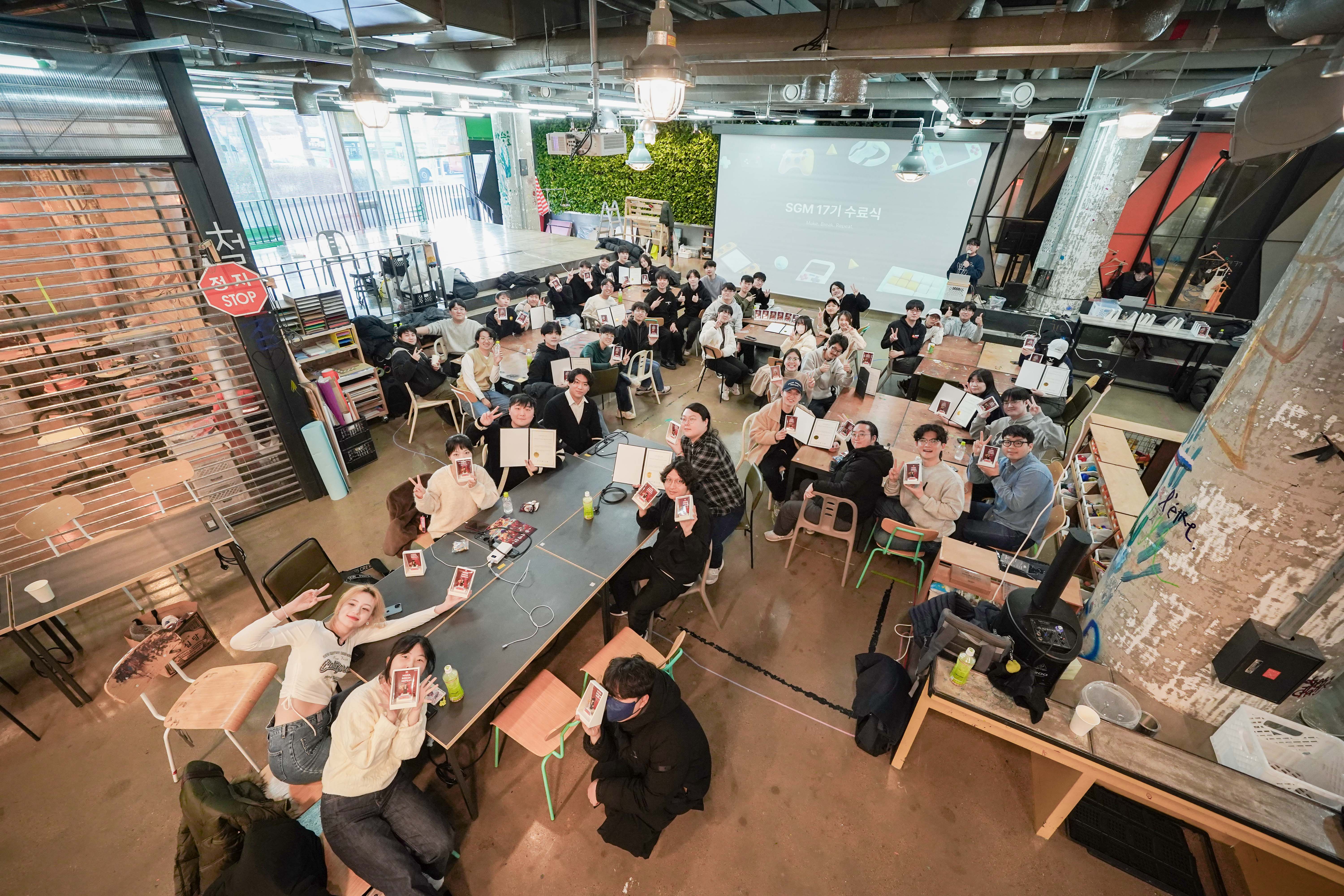
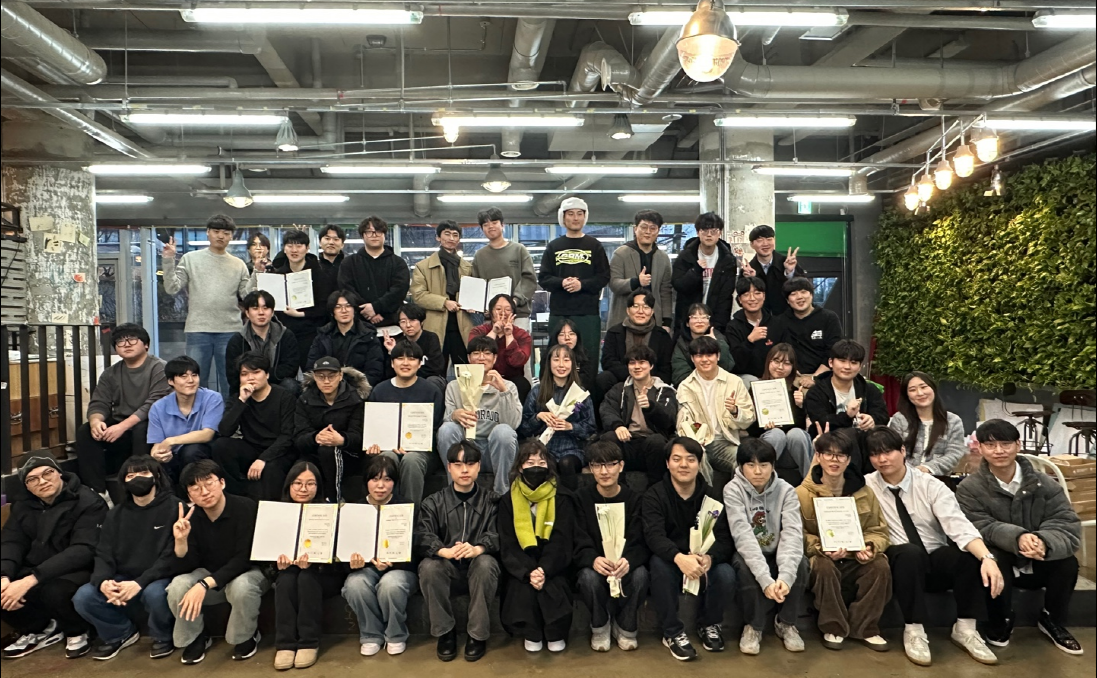
*SGM is a program that provides funding, workspace, and mentoring to help indie game creators fully focus on development. It was first launched in 2010.

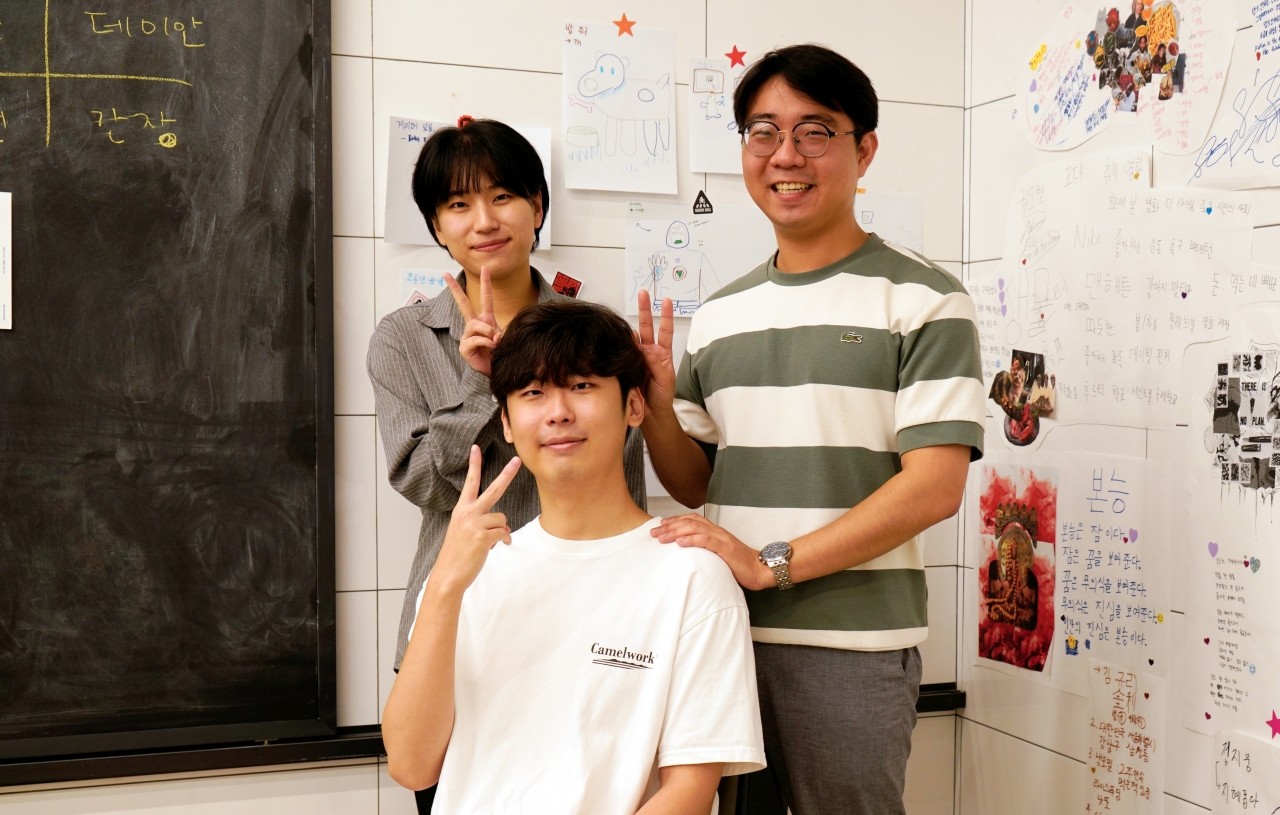
(왼쪽부터) CEO of Cassel Games Hwang Sung-jin, CEO of Lizard Smoothie Shim Eun-seop, CEO of IndigoBlue Studio Kim Hye-gyeom
On May 8, the "2026 IndieGo Awards" took place at Future Lab Sinchon (Arrupe Hall, Sogang University). The Newsroom team visited the venue to meet the three creators who participated in the donation. They shared their stories about the challenges they faced and how they grew during their time at SGM, as well as their hopes for how this "virtuous cycle of support" will expand within the indie game ecosystem.
Q. Please briefly introduce yourselves.
Hwang Sung-jin, CEO: Hello, I'm Hwang Sung-jin, and I run the indie game development studio Cassel Games. I created the games Ratropolis and Ratopia as student projects during college, and we are currently developing a new project called Ratocalypse. I was part of SGM 11th Gen, and I have been contributing donations since the very beginning of the IndieGo competition.
Shim Eun-seop, CEO: Hello, I'm Shim Eun-seop, CEO of Lizard Smoothie. We developed Shape of Dreams, an action game that combines the MOBA (Multiplayer Online Battle Arena) and roguelike genres. I participated in SGM 16th Gen.
Kim Hye-gyeom, CEO: Hello, I'm Kim Hye-gyeom, and I run Indigo Blue Sound Studio. I participate in various indie game projects, focusing on game sound design and music composition.
Q. What motivated you to participate in this donation for the IndieGo competition?
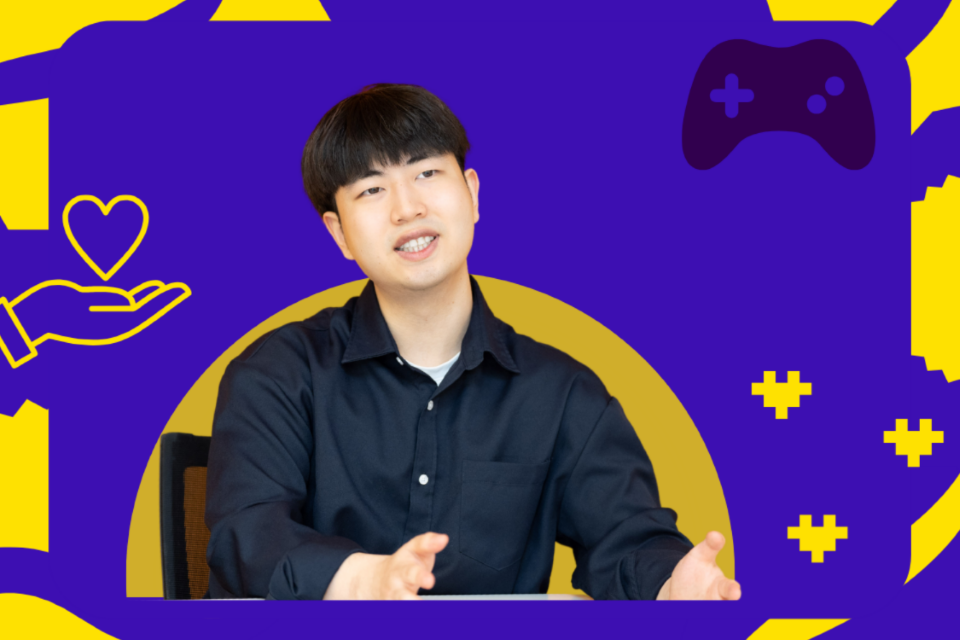
Kim Hye-gyeom, CEO: When I was part of SGM, seeing senior creators donate inspired me to help junior developers one day. I wanted to pay back the support I received by giving it to the next generation, which is why I decided to donate.
Hwang Sung-jin, CEO: I also naturally joined in after watching senior creators help out their juniors. It’s incredibly rewarding to see IndieGo going strong for so long. I really want to provide even more help to upcoming creators.
Shim Eun-seop, CEO: Being a part of SGM had a huge impact on me. In particular, the experience of sharing challenges with other creators and exchanging feedback—where seniors and juniors pushed and pulled each other forward—was a massive help during development. I decided to participate hoping that future creators can continue to have those kinds of experiences.

Q. How did participating in SGM help you during the indie game development process?
Shim Eun-seop, CEO: Being able to receive advice from senior creators and hear about how other teams solved their problems became a huge asset for me. Thanks to that, we were able to significantly cut down on trial and error during development.
Kim Hye-gyeom, CEO: Thanks to the creative workspace provided by SGM, I was able to fully immerse myself in development in a stable environment. I spent most of my days in that space, which naturally allowed me to learn how other creators worked. At the time, another team even suggested a collaboration, so the sound design I made actually ended up being used in the game they were developing.
Hwang Sung-jin, CEO: Seeing the sheer passion of other teams up close during SGM was highly motivating. We played each other's games and exchanged feedback, which helped me improve on things I hadn't even realized before. Watching fellow creators, who were dealing with the same struggles, push through and keep working gave me the courage to say, "Let's keep going, too."
Q. What advice or words of encouragement would you like to share with junior creators?

Hwang Sung-jin, CEO: In the early stages of development, you naturally face a pile of worries—from tight development budgets to doubts about whether your game is headed in the right direction. It makes it hard to look at your own situation objectively. That’s why you need advice from others, especially guidance from seniors and feedback from peers. I highly recommend networking and communicating with as many people as possible during the development process.
Shim Eun-seop, CEO: Most indie game developers start out without enough experience or capital. I was exactly the same. There were so many times when I had to solve problems regarding development direction or team management entirely on my own. When it’s tough to make a decision by yourself, please reach out to seniors for help, and be proactive about communicating with seniors and peers.
Kim Hye-gyeom, CEO: I started developing games alone when I was 20. Watching my friends go to college or get ready for regular jobs, I felt a vague sense of anxiety. It was a lonely development journey, but I received so much help from seniors through my SGM activities. Indie game development is a lonely process. Even so, please never give up. You have reliable seniors right by your side!
Q. How do you hope to see the indie game ecosystem evolve in the future?
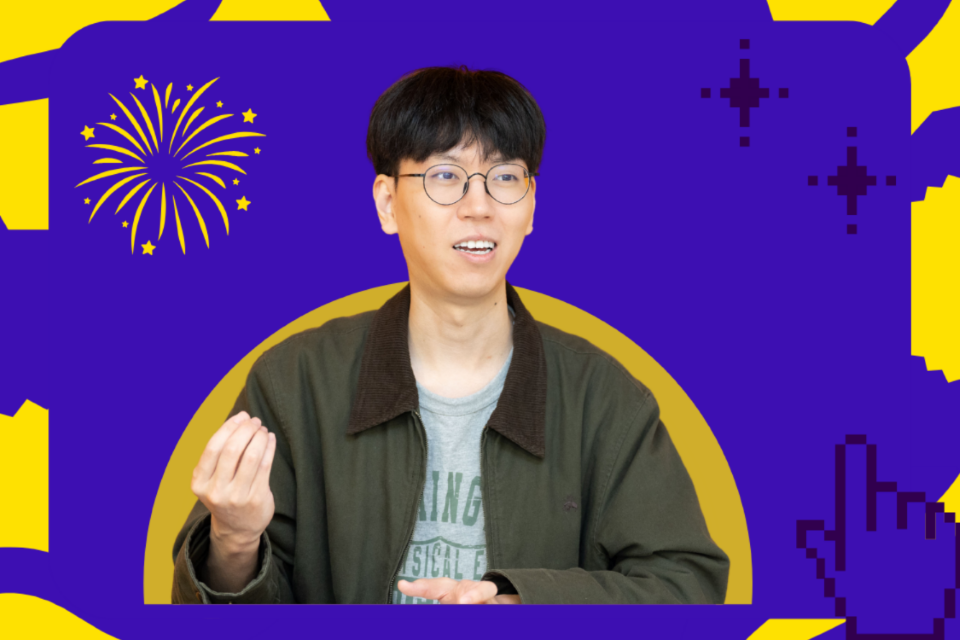
Hwang Sung-jin, CEO: I hope it becomes an ecosystem where all kinds of creators can keep taking on new challenges and making fun games. To make that happen, structured and continuous support is essential. Over the years, I've seen many people give up on indie game development halfway through due to realistic constraints, and I truly hope we see less of that.
Shim Eun-seop, CEO: There are so many problems you have to solve on your own during indie game development. That’s why we need spaces where people can come together, share ideas, and talk. I hope an environment is built where creators can naturally share their experiences and the trial and error they go through along the way.
Kim Hye-gyeom, CEO: In indie game development, I think it's crucial to understand what each person’s strengths are and what part of the process they actually enjoy. Someone might excel at creating spectacular moments, while someone else might be great at building core systems. When we understand these distinct capabilities and collaborate, it creates a much bigger synergy. I hope the future indie game ecosystem offers many more opportunities for small teams to come together and collaborate by leveraging their unique strengths.
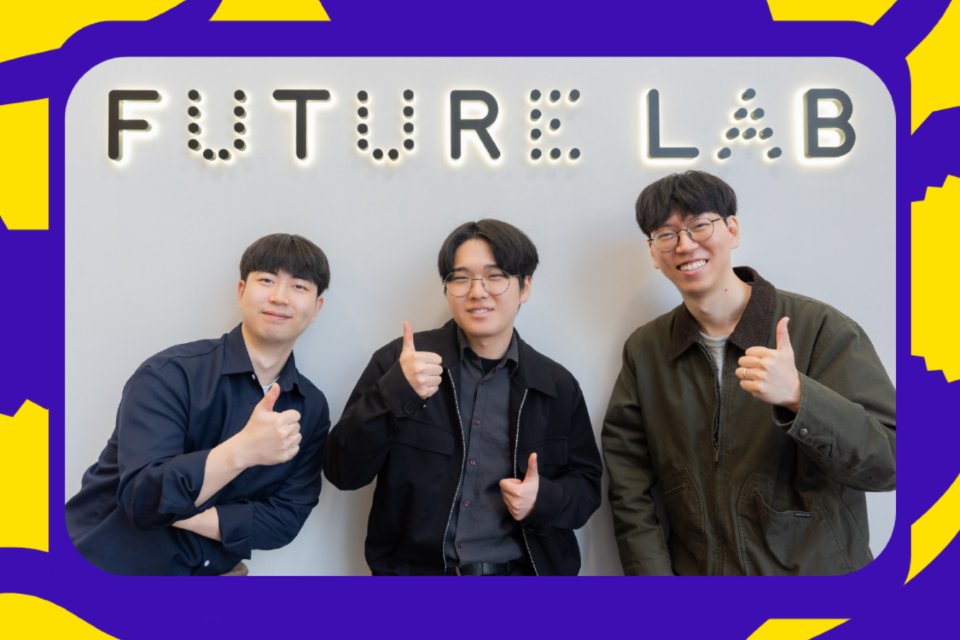
At the end of the interview, the three creators emphasized the importance of "an environment where one can create for a long time." They noted that for many creators to continuously take on challenges and grow, they need more than just one-time financial support; they need relationships where they can share experiences and encourage one another.
The "virtuous cycle of support" being built by the IndieGo competition goes beyond simple donations—it is shaping a creative ecosystem that helps indie game creators grow together. Through the support and encouragement of SGM alumni, Future Lab is fostering an ecosystem where creators learn from one another, grow together, and pass the baton of encouragement down to the next generation of creators.
However, when quoting content in articles, please credit it as “Smilegate Newsroom.”




 TOP
TOP
