

Invisible Future, Finding Our Own Answers 2026-10-13
Isn't making a game an adventure in itself? A journey of meeting like-minded companions, joining forces to overcome obstacles, and working toward a shared goal. For Soon-gu Cho and Se-woong Kwon, co-CEOs of Control9, the studio behind Smilegate's upcoming MIRESI: Invisible Future, development has been just such an adventure.
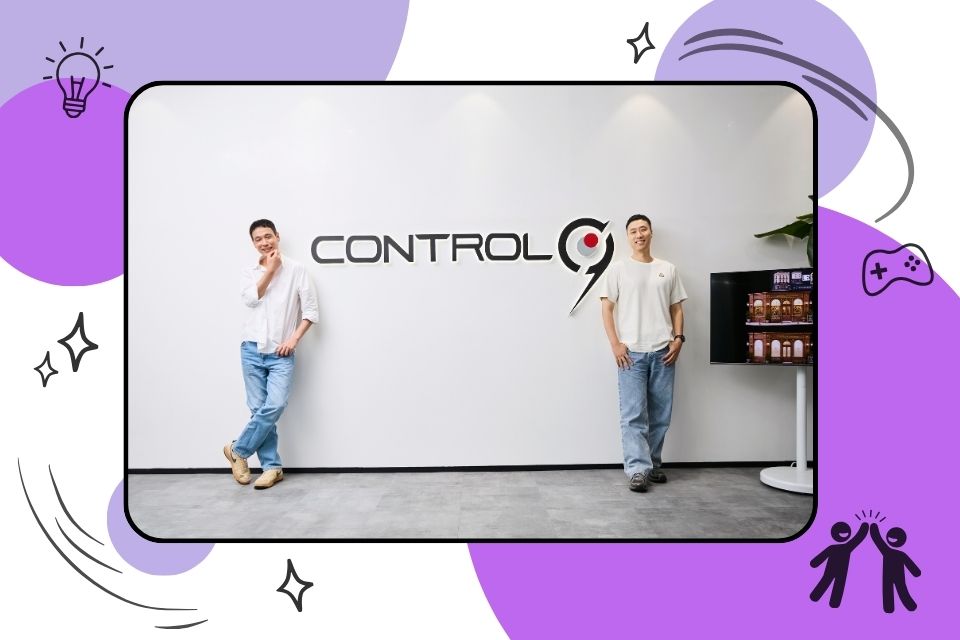
Two people with the same dream came together to start a company, building a game around their own distinctive combat system and characters. Smilegate has been a steadfast companion on that journey. With the official launch marking the climax of their adventure, Smilegate Newsroom sat down with the two co-CEOs to discuss their development philosophy and experiences along the way.
The Adventure Begins, One World Born of a Shared Dream
The story began when the two met. Both experienced game developers, Soon-gu Cho and Se-woong Kwon founded Control9 and set out to bring the game they had always wanted to make to life. That journey began with MIRESI.
Q. First, could you introduce yourselves and tell us what inspired you to found Control9?
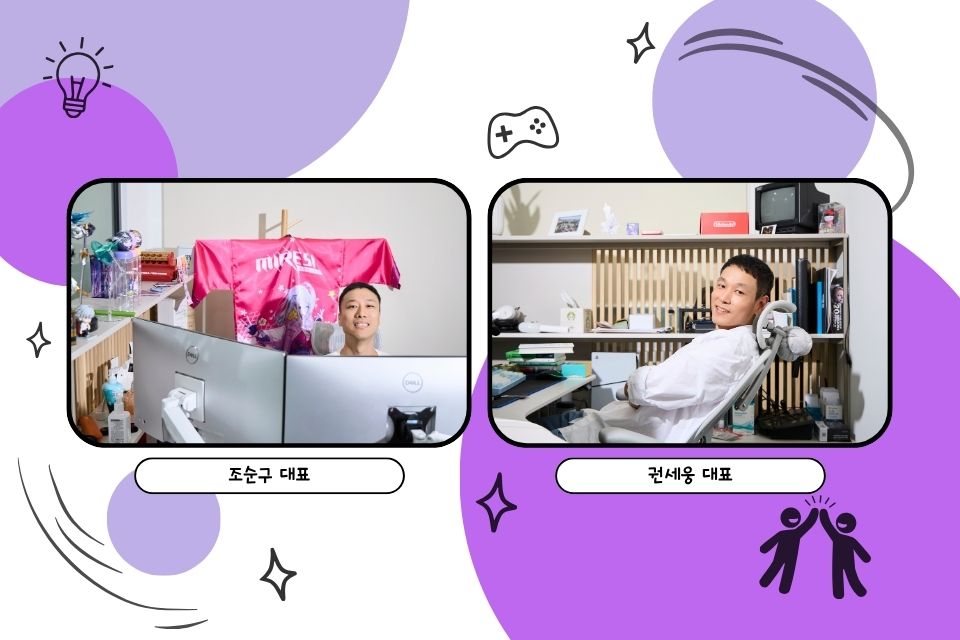
Soon-gu Cho Hello, I'm Soon-gu Cho, project director of MIRESI at Control9. Starting my own company had been a long-held ambition. As I gained experience leading projects from development through launch and operating live services as a project director, I grew increasingly eager to make a game of my own with the great colleagues I'd met along the way. Just as I began seriously preparing to start a company, I learned that Se-woong shared the same dream. We'd worked together before, and we had similar ideas about the kind of game we wanted to make. Above all, we were comfortable speaking openly with each other. So I suggested we start a company together.
Se-woong Kwon As co-CEO, I take part in management decisions. I'm also the creative director of MIRESI, shaping the vision and direction of its gameplay. After many years in the games industry, I'd also decided that one day I wanted to make the game I'd always envisioned. So when Soon-gu asked me to join him, I had no reason to hesitate. When it comes to games, he's the person I trust most. The two of us have very different personalities. Soon-gu is a hardcore gamer who dives deeply into one game, whereas I like exploring a broad range of games and references and combining different elements. I thought our different strengths could give the game both variety and depth.
Q. What was the starting point for your first title, MIRESI: Invisible Future?
Soon-gu Cho Our development process was a little unconventional. Rather than starting with what kind of game to make, we thought about the combat system first. We both love collectible RPGs and had experience developing them, but at the time, we felt there were too many games that looked different while offering essentially the same combat. So we decided to create our own approach and establish a new set of conventions for the genre. There were risks in trying something experimental, but ultimately, games are about having fun.
Se-woong Kwon I'd long imagined a combat system that combined real-time and turn-based gameplay. We began discussing its design in late 2022, before founding Control9, and by early 2023 we'd developed the concept enough to present it as an animated pitch. Part of the appeal of collectible RPGs is combining characters with different abilities and roles to build strategies for each situation. That fit perfectly with the combat we had in mind.
No One Right Answer, Finding Our Own Way
A new adventure called for new rules. Control9 blended real-time and turn-based combat while bringing its own approach to both gameplay and visuals. MIRESI aims to be a game where players discover their own solutions rather than follow a single correct path.
Q. MIRESI's world, built around time manipulation and time travel, is also distinctive. How did that concept come about?
Se-woong Kwon It started with the combat design. As we envisioned battles unfolding in real time before everything stopped at certain moments, the theme of time emerged naturally. Then we built the characters' stories around it. For different reasons, MIRESI's characters travel back into the past. But as the price of defying causality, everyone in the present forgets they ever existed. Only the player, known as the Councilor, remembers who they are and what happened in their past. We wanted to capture the emotion of a story in which players build relationships with the characters, recover their memories, and help heal their wounds.
Q. You've positioned "location-based, real-time, turn-based" combat as the game's core system. How does it differ from combat in conventional collectible RPGs?
Se-woong Kwon We wanted to preserve the strategic decision-making of turn-based combat while reducing its structural limitations. In MIRESI, you select and queue skills as you would in a turn-based game, but combat unfolds in real time as those skills execute. When it's time to make a decision, everything stops, allowing you to assess the battlefield and respond.
The decisions you make during combat can influence the outcome just as much as the deck you build beforehand. Even with the same skill, changing the angle or timing can trigger a butterfly effect, altering how the rest of the battle unfolds. It's a game where decisions in the moment matter more than finding one perfect answer.
Soon-gu Cho When we ask team members to play the same stage, they come up with an incredible variety of strategies. Sometimes they clear it in ways even the developers hadn't imagined. We wanted to create a game where players find their own answers instead of following a single prescribed solution.
Q. Did you make any particular efforts to give MIRESI a distinctive visual identity through its characters?
Soon-gu Cho Our main goal was to preserve the exceptional detail, richness, and sculptural beauty of Art Director Hyung-sup "Hyulla" Kim's work. But translating 2D illustrations into 3D means showing characters from many angles, so simply recreating the original illustrations had its limitations. Our biggest challenge was bringing Hyulla's art to life beautifully in natural-looking 3D.
Another major focus was facial expressions. In MIRESI, players can stop time during combat and view the moment from different angles. We worked hard to make the characters' expressions feel vivid and responsive to the situation.
Se-woong Kwon We took inspiration from 360-degree replays in sports. We can't predict when players will stop time, so the characters won't always freeze in their most flattering poses. But those unexpected expressions and poses actually make them feel more human. Each player captures their own unique moments, some of which might even become funny memes. We wanted the game to be fun not only to play, but also to watch.
Q. What do each of you consider MIRESI's greatest strengths?
Soon-gu Cho Characters who feel alive, and gameplay that doesn't have just one right answer. I think MIRESI's appeal lies in how different players can approach the very same stage in completely different ways.
Se-woong Kwon For me, it's the combat system, which gives players endless room to explore strategies in their own way. With so many possibilities, no single strategy can be considered the definitive solution. Watching someone else play can make you think, "That's not how I'd do it." Comparing how different people play will be another source of fun.
With Our Partners, Into a Wider World
With good companions, the journey can take you farther. As Control9 prepared to bring its first game to the world, it partnered with Smilegate and expanded its reach from Japan to Korea and then North America. The next stage is the official launch.
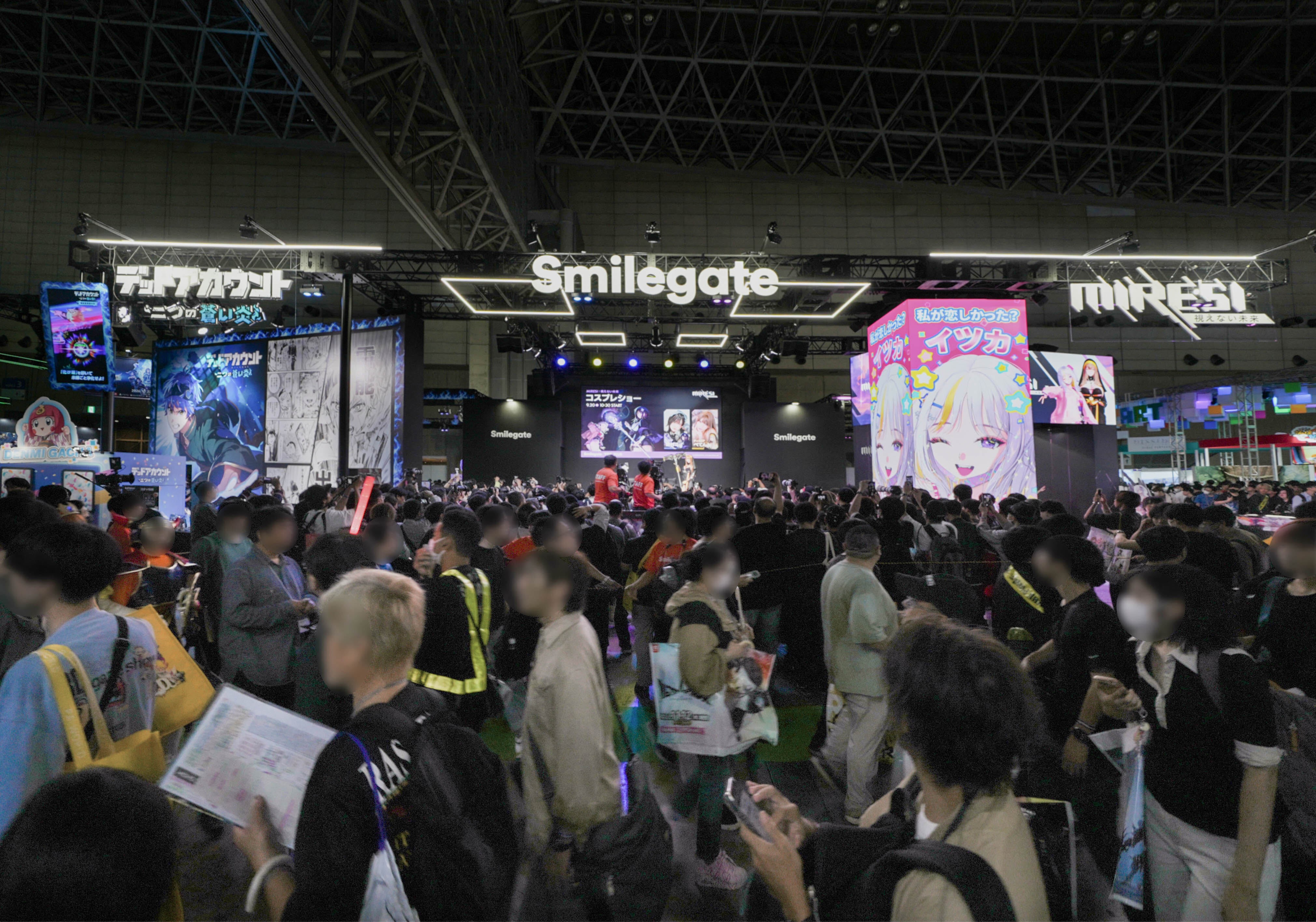
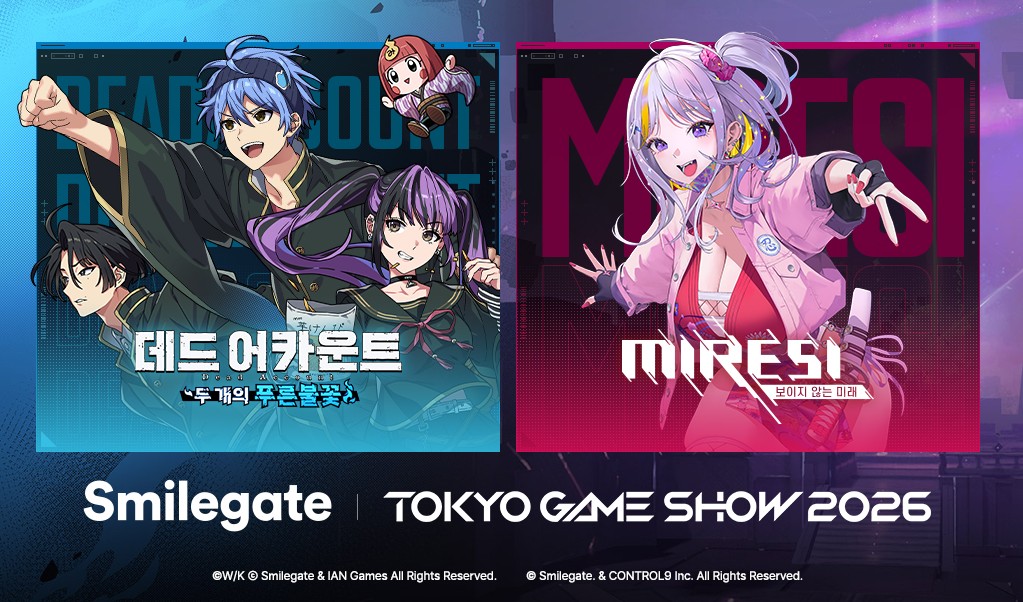
Q. MIRESI has met players across Japan, Korea, and North America, starting with TGS 2025 in Tokyo, followed by AGF 2025 in Korea and AX 2026 in Los Angeles this past June. Why did you focus on expanding your in-person presence even before launch?
Soon-gu Cho We decided to build awareness of the game steadily over the long term. With each event, more players and industry professionals came to visit our booth in person. When I hear other game directors talking about MIRESI, it really hits home how much more widely known the game has become.
Q. How did you feel when you first showed MIRESI to players?
Soon-gu Cho I was extremely nervous at TGS 2025. Development was still in full swing, and we were still refining the 3D visuals. I was so worried I even had nightmares. In one dream, nobody came to our booth. (Laughs) Thankfully, after the reveal, we received a lot of positive feedback about the freshness of the combat and the overall game design.
Se-woong Kwon I was also worried about showing the game before it was finished. But just before TGS 2025, I played through the actual build from beginning to end and thought, "This is going to work." Seeing the prologue and combat, which had existed only in words and documents, come to life as a playable game gave me confidence that the gameplay itself was fun.
Q. Was there a particularly memorable moment from any of the international events?
Soon-gu Cho I remember a family waiting to try the game at AX 2026. After the demo, both parents were wearing MIRESI happi coats—traditional Japanese festival garments—but their child didn't have one. So we gave the child one too, and they were absolutely delighted. Seeing the whole family walking around the venue in matching happi coats brought a smile to my face.
Se-woong Kwon At AGF 2025, I saw an attendee dancing along to the music at our booth for quite some time, clearly having a great time. That moment made me realize that subculture events aren't simply places where people consume content. They're spaces where fans actively engage with the content and bring it to life. I resolved to build that same kind of relationship between MIRESI and its players.
CEO Soon-gu Cho ㅣ"I believe that, at its heart, a game should be fun. I can't wait to show MIRESI to everyone at Smilegate, too. I hope you'll give it a try, show your support, and share your feedback."
CEO Se-woong Kwon ㅣ"Rather than confining ourselves to the subculture label, we're striving to make a great game, like the games we loved and were moved by in the past. We hope you'll look forward to it and support us."
Q. Smilegate has been a partner on MIRESI's journey as well. Why did you choose Smilegate as your publishing partner?
Soon-gu Cho Smilegate initially appealed to us because of its long experience operating Epic Seven as a live service. After all, we were developing a collectible RPG ourselves.
But what ultimately impressed us was Smilegate's genuine commitment. We met with several publishers in our early days, but Smilegate stood out.
Even after multiple meetings, their representatives remembered the details of our earlier conversations. They took our project seriously. That made us want to work with Smilegate.
Q. What synergies emerged from working with Smilegate to showcase MIRESI at global events?
Soon-gu Cho A great example is the large LED Ending Zone we introduced at TGS 2025. Smilegate Director Jae-young Han first suggested that players move into a large LED space after the demo so they could experience the game's story through to its conclusion. It meant preparing separate assets and content specifically for the event, which was a burden for us, but we decided it was worth doing. In the end, the Ending Zone became an iconic part of the MIRESI booth.
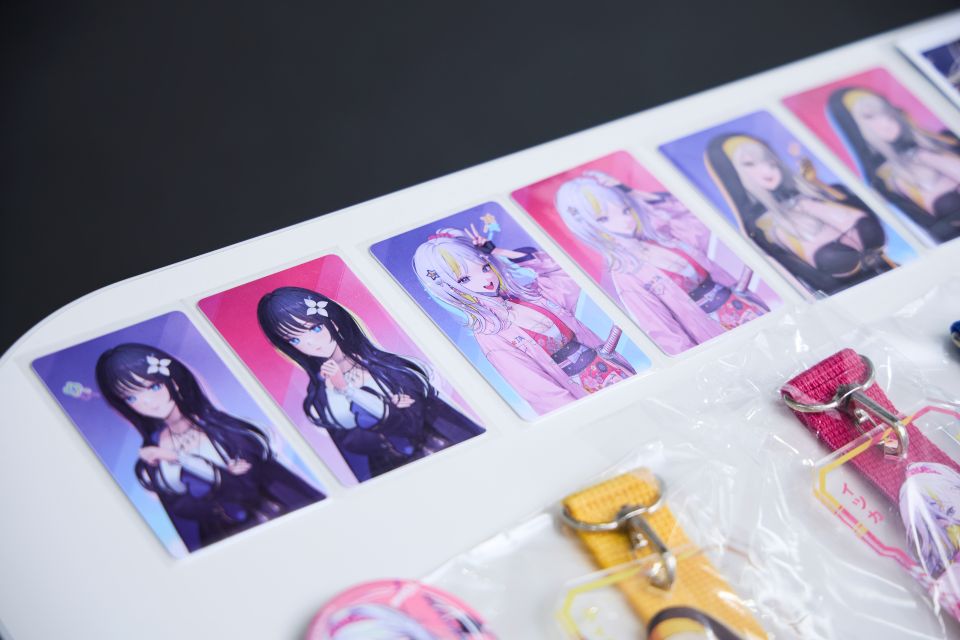
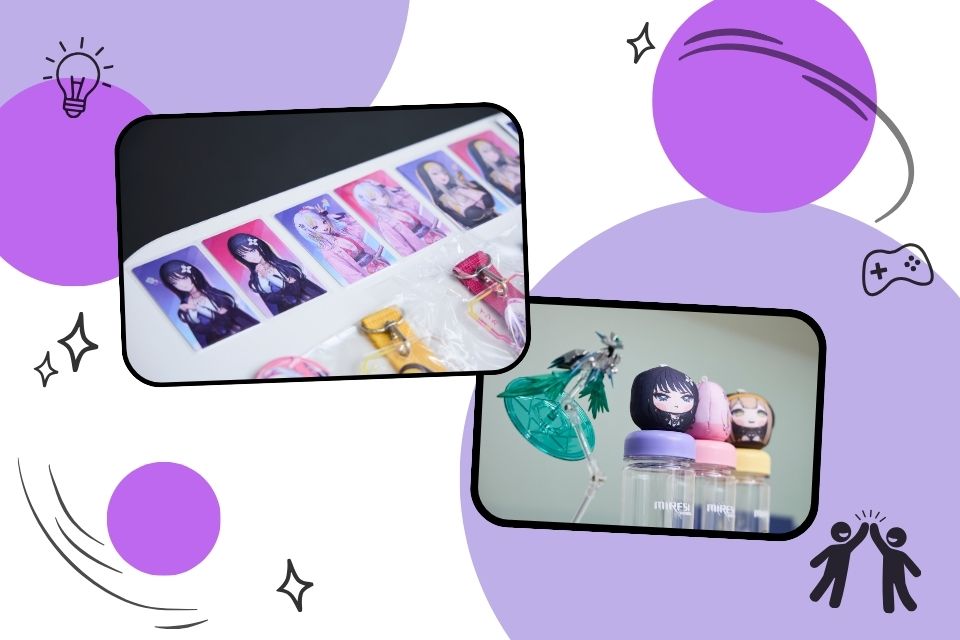
Se-woong Kwon We create the in-game experience, while Smilegate worked with us to figure out how to make that experience memorable in person. We kept the core gameplay experience intact while tailoring each event to its audience and location, emphasizing gameplay at TGS 2025, characters and merchandise at AGF 2025, and interactive content at AX 2026.
Q. The next stage, the official launch, is approaching. What are you focusing on most right now?
Soon-gu Cho First, visual polish. We received feedback on the 3D visuals when we first revealed the game, so this time we want to clearly show how much they've improved. Second, the story. In a subculture game, visuals may draw players in, but the story is what truly makes them stay. Third, enjoyable combat that keeps players coming back to play and take on new challenges. We're focused on striking the right balance among all three.
Q. How would you like MIRESI to be remembered?
Se-woong Kwon I hope players remember it as a game with all the convenience features they need, but one that delivers genuine fun whenever they play it themselves.
I also hope it's a game where building relationships with the characters offers a sense of healing. After all, the player is the only one who can tell characters forgotten by everyone else, "I know who you are, and I remember your past." I hope players find emotional connection and comfort in that experience, too.
Exploring the Appeal of MIRESI: Invisible Future Through Keywords
#A_Story_of_Rediscovering_Memories
Characters forgotten by everyone after changing the past, and the Councilor, the only person who still remembers them. Players build deep bonds with the characters as they recover memories together and heal old wounds.
#Combat_That_Stops_Time
Battles unfold in real time, but time stops when it's time to make a decision. By combining turn-based strategy with the dynamism of real-time combat, MIRESI creates its own distinctive "location-based, real-time, turn-based" system.
#No_One_Right_Answer
Even on the same stage, outcomes change depending on your team and the timing and angle of your skills. Discover your own solutions instead of following a fixed strategy, then enjoy comparing your approach with those of other players!
#Characters_That_Come_Alive
Detailed 2D illustrations are brought to life in 3D with a rich range of facial expressions. When time stops, even unexpected expressions and poses can be captured, making the characters feel more alive than ever.
However, when quoting content in articles, please credit it as “Smilegate Newsroom.”





 TOP
